How to Identify South Carolina Weeds
Here at Beach Landscaping, we are just as dedicated to teaching the public about native South Carolina plants as we are to providing quality landscaping and hardscaping services! That’s why we like to play a game called ‘Name That Weed’ with Matt and Jenn on our Facebook page, a series where we help you learn how to identify and treat the native weeds that may be growing in your own backyard. Today, we are going to dive a little deeper into how to properly identify and treat your lawn for Dogfennel and White Clover.
Dogfennel
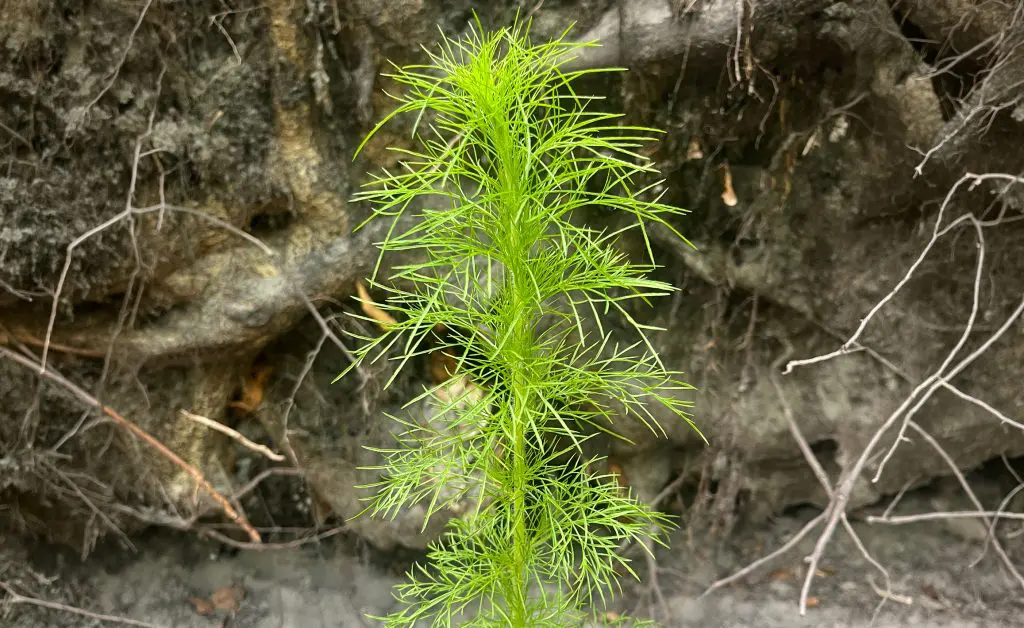
Dogfennel is a highly invasive perennial weed that goes dormant in the winter, and then begins to grow vigorously during the Spring and Summer months. It then goes through a flowering period in the fall, which causes seeds to disperse to the surrounding area, causing more dogfennel to emerge the following Spring. Dogfennel also spreads through underground rootstocks that emerge from the main taproot of the plant. Dogfennel is detrimental to the health of your lawn because it contains the toxin tremitol, which causes severe dehydration and prevents your lawn from receiving the nutrients it needs to thrive. Spring pre-emergent herbicide applications can prevent Spring seed germination from starting. Established dogfennel ideally needs to be treated chemically with triclopyr or 2,4-D dicamba before the weed reaches more than 20 inches in height.
It is incredibly important to be able to tell the difference between dogfennel and culinary fennel. Culinary fennel is a popular Mediterranean spice, while dogfennel is a highly toxic invasive weed. While these two plants may look incredibly similar, you can always tell which is which by the smell of the foliage when you break it apart. Culinary fennel has a sweet and distinct black licorice scent, whereas dogfennel has an extremely pungent and unpleasant scent. Here are some more identifying characteristics of dogfennel:
- Bright green foliage
- Foliage that are divided into tiny, thread-like segments that give them a fuzzy appearance
- Fuzzy stems that start out light green in color, and begin to change to a red/purple color as the weed matures, eventually becoming tough and woody near the base
- Summer and Fall season tiny green/white blooms at the very top of the plant
- Can grow up to 6 ft in height
White Clover
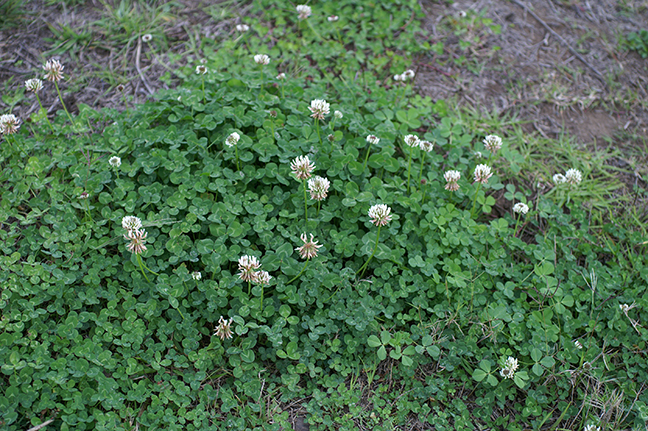
White Clover is a cool-season creeping perennial weed that spreads through above-ground runner roots. They produce white blooms from Spring – Fall, which then fall to the ground and release seeds to the surrounding area that will end up producing more white clover in the coming Spring season. Spring and Fall pre-emergent herbicide treatments will both be beneficial if you are trying to rid your lawn of white clover. Unlike most of the weeds that we like to talk about on “Name That Weed”, white clover is actually often used as an alternative groundcover, and can have some benefits to the health of your soil.
White clover can act as a natural fertilizer by drawing nitrogen from the air and depositing it right into your soil. Additionally, it can suppress other unwanted weed growth with its low, thick, and spreading growth habit, and it attracts pollinators. White clover is also drought tolerant, foot traffic resistant, and it does not experience discoloration caused by dog urine, making it a great groundcover alternative option.
White clover is also edible! It can be eaten raw in salads or cooked with other types of leafy greens for culinary use. White clover is rich in vitamins A, C, B-complex, and E, it contains minerals like calcium, potassium, and magnesium, as well as containing flavonoids and isoflavones to help reduce inflammation. White clover tea is often used to treat common cold symptoms like coughs, joint pain, and digestive issues. Here are some more identifying characteristics of white clover:
- Dark green foliage with 3 lobes leaves, with a white V-shaped watermark on each leaf
- White globe-shaped bloom clusters that appear slightly taller than the foliage
- Creeping growth habit that stays low to the ground