What’s Blooming in July?
Plants and Flowers Blooming in July:
- Butterfly weed
- Honeysuckle
- Buttonbush
- Smooth hydrangea
- Passion flower
Fruits and Vegetables Blooming in June:
- Onions
- Tomatoes
- Okra
- Blueberries
- Peas
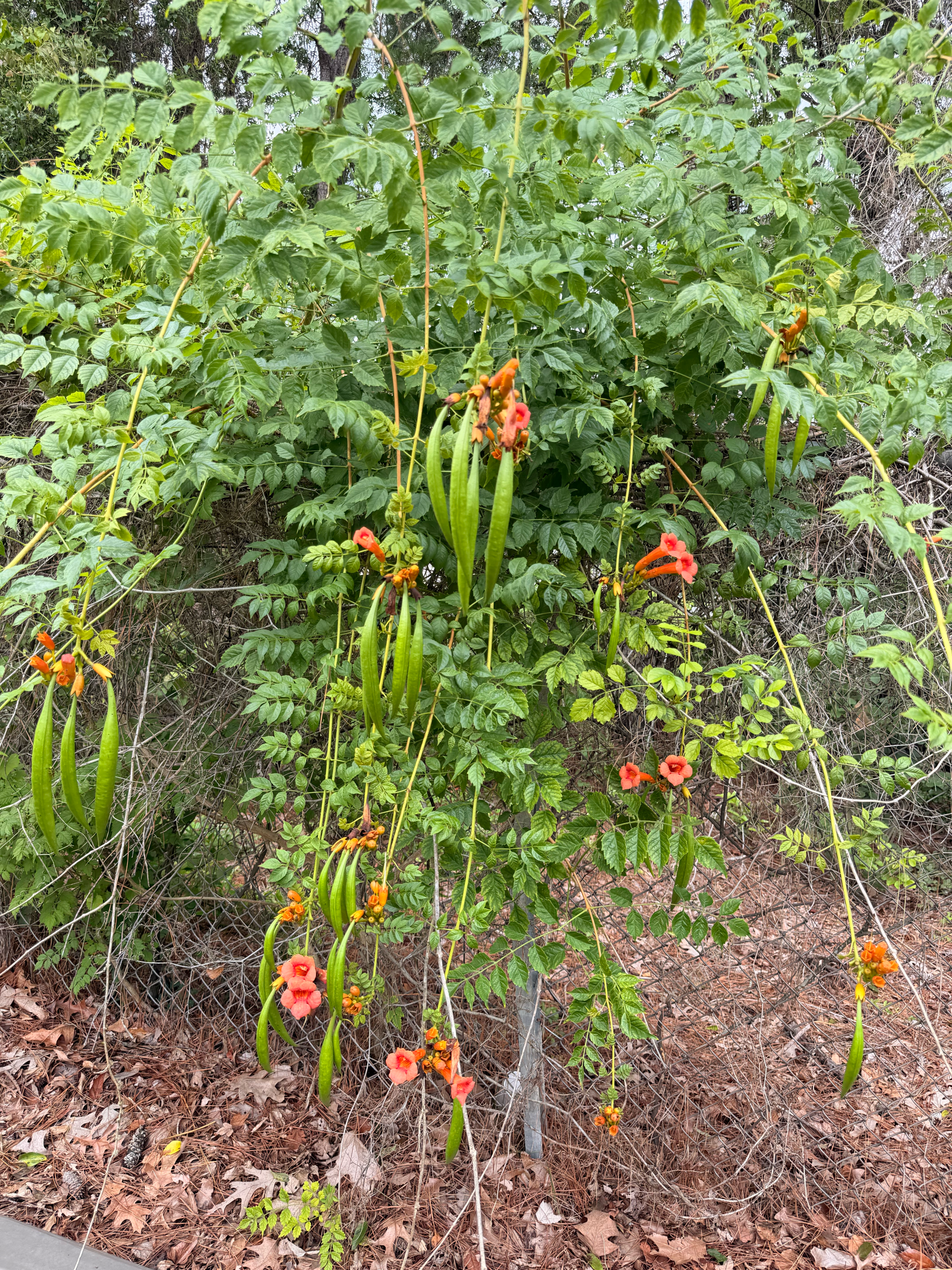
Honeysuckle
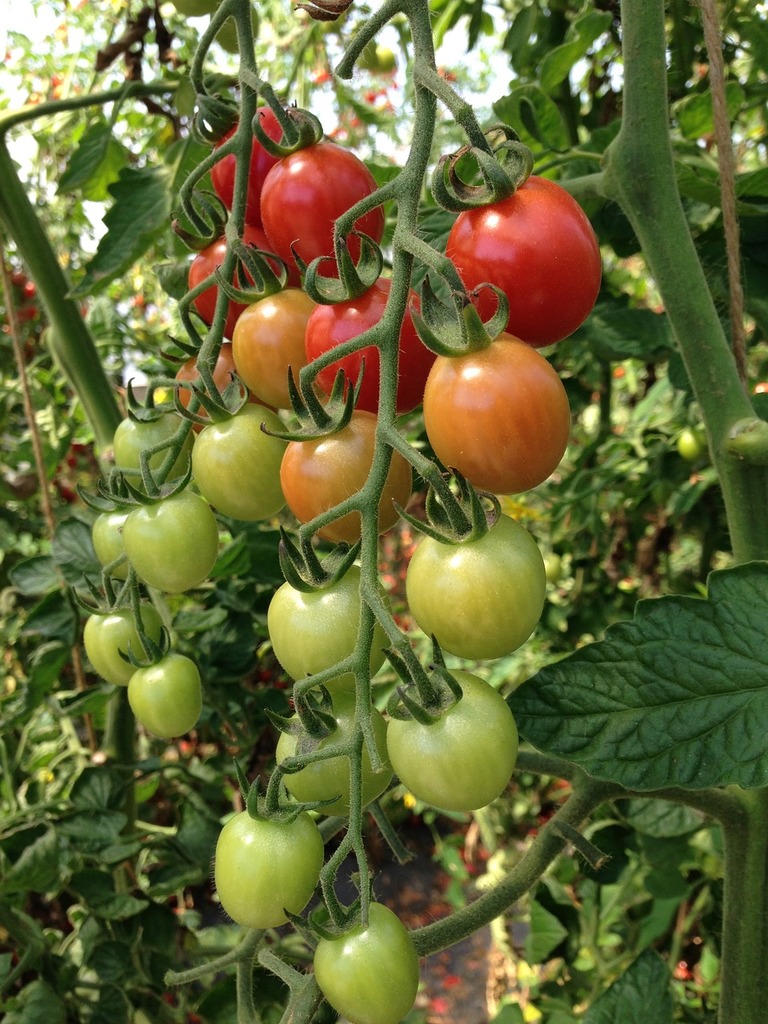
Tomatoes
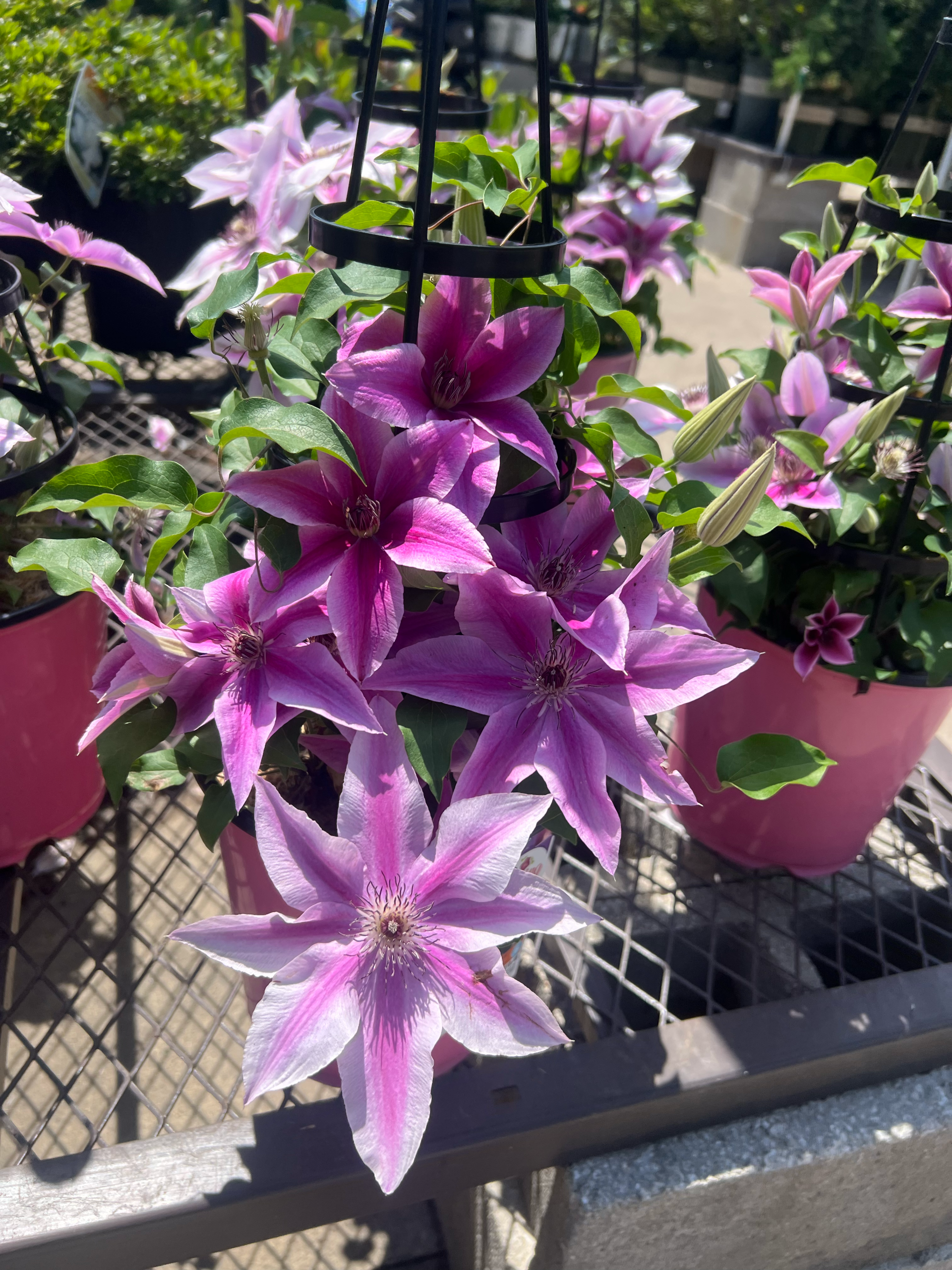
Passion Flower
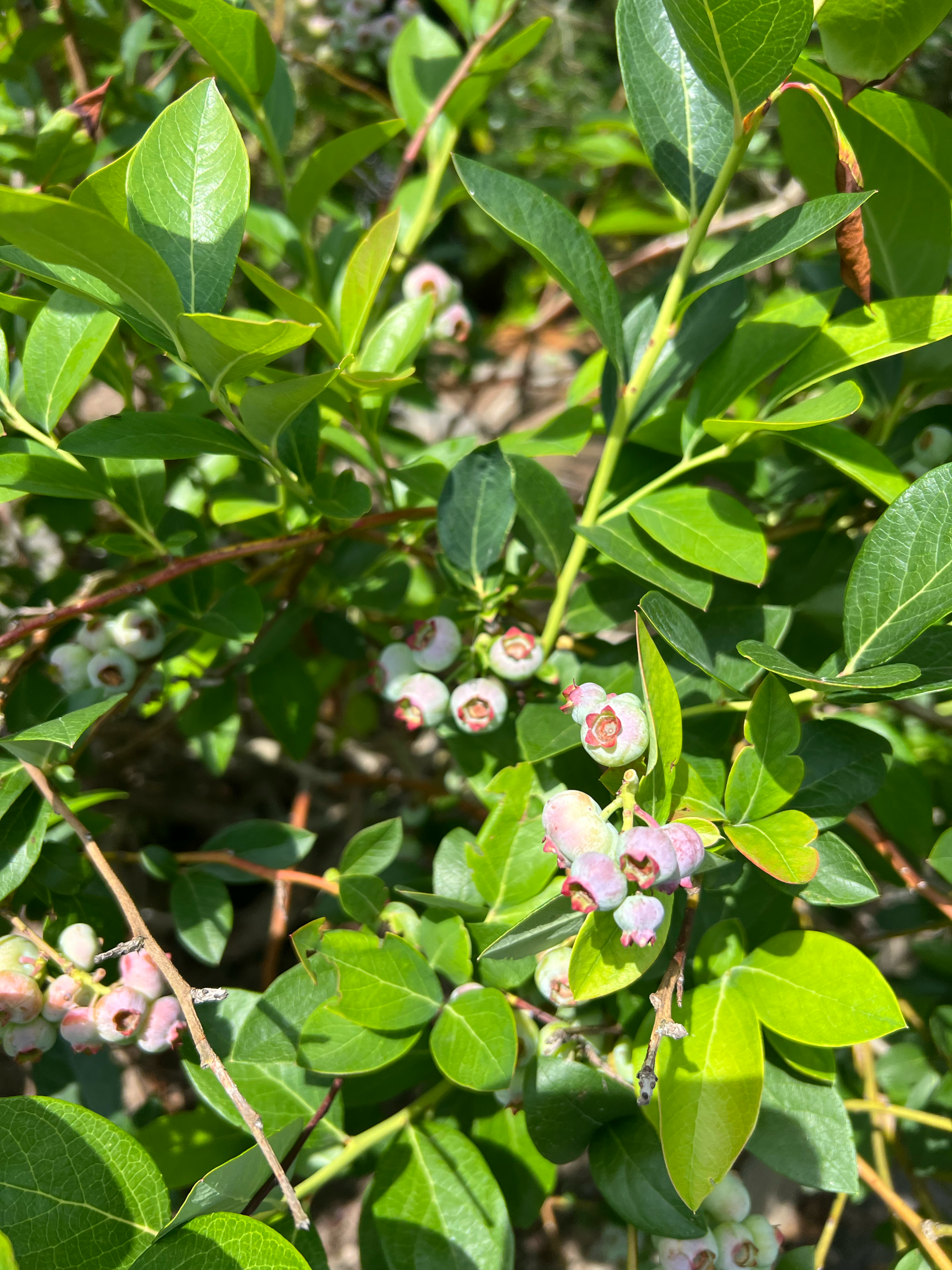
Blueberries
Fertilizing needs this July:
Fertilizing your summer season border plants and container plants during the growing season is important to be able to maintain healthy plants. Here is a list of some of these plants that could benefit from being fertilized this month:
- Clematis
- Canna Lily
- Star Jasmine
- Hydrangeas
- Plants that produce citrus
In addition to the above plants, fertilizing non-flowering foliage plants, such as ferns and hostas, with a high-nitrogen fertilizer will help them produce plenty of new leaves in the final months of summer.
Commonly used warm-season turfgrass varieties such as Bermuda, St. Augustine, and Zoysia benefit most from being fertilized monthly during the summer months while it is actively growing. July is a good month for a second fertilizer application for warm-season lawns.
Remember to conduct a soil test before fertilizing, avoid fertilizing during peak temperatures of the day, and always water your plants before and after the fertilizer application!
Pruning needs this month:
During the summer months of the growing season, it is very likely that some of your favorite plants may be growing too vigorously, making it difficult to maintain the desired size and shape of the plant. Here is a list of some of those plants that could benefit from some pruning this month to keep their growth under control:
- Crape Myrtles
- Rose of Sharon
- Butterfly Bush
- Arborvitae
- Leyland Cypress
- Wisteria
- Boxwood
- Fruit trees
Remember to avoid pruning during peak daily temperatures, and never remove more than a third of the plant’s crown during heavy pruning.
Pests and diseases to look out for this month:
- Chinch bugs. Chinch bugs are insects that most commonly attack St. Augustine grasses in the spring and summer months. Damage from a chinch bug infestation consists of an irregular dead spot in the grass with yellow dying fringes. To rid your lawn of chinch bugs, consider using an easy homemade dish soap solutions as an eco-friendly option.If the infestation persists, you may want to look into forms of chemical treatment, like bifenthrin or imidacloprid. It is also a good idea to avoid over-fertilizing, as excessive nitrogen can make the lawn more attractive to chinch bugs.
- Aphids. Aphids are small insects that feed on sap from crops and other plants. They carry a huge variety of plant diseases, which can cause complete loss of crops. They typically don’t cause any visible damage until there is a significant infestation. The first signs you are likely to notice include a curling or yellowing of leaves. Natural substances like mineral oil and pyrethrin can be effective biological control methods against aphids. There are also many natural predators of aphids, including lady beetles, lacewings, and minute pirate bugs. You can unleash these aphid predators into your garden to feed off the aphids that are infesting your garden.
- Japanese beetles. Japanese beetle grubs are pests of turfgrass. They chew grass roots, causing the turf to brown and die. Grub-damaged turf pulls up easily from the soil, like a loose carpet. They are also commonly known for feeding off of flowers, trees and shrubs, fruits and vegetables, field crops, and turf. Adults feed on more than 300 plant species, whereas the young grubs feed mainly on the roots of grasses. Low-risk insecticides like pyrethrins, neem oil, and BeetleGone are known to be effective at fighting against a Japanese beetle infestation.
Summer Lawn Watering 101
Your warm-season grass needs a consistent source of water in the summer in order for it to look its best. For best results, water early in the morning before the hottest parts of the day. Using this timely method will allow your grass to get enough water before the hot sun evaporates it. You do not need to water your grass every day!! In fact, that’s a good way to grow mold and fungus. What you want to do instead is water less frequently (about every 3 days) with longer watering sessions so that the water can soak deep into the ground. This helps promote deep root growth and can help during drought conditions. Investing in an underground irrigation system is a great way to keep your grass watered consistently throughout the summer months.