How to Keep your Summer Garden Pest Free: Ground Pearl
Ground pearls are one of the strangest and most difficult to control lawn pests for gardeners and scientists alike all over the southeastern United States, which is why there is such a lack of pesticide products on the market that are advertised as being able to treat or control a ground pearl a infestation. Their life cycle is so unique and rare that there has never been a confirmed effective treatment created by anyone so far. While there is still so much about ground pearls that we do not yet understand, here is what we DO know about ground pearls…
Life Cycle
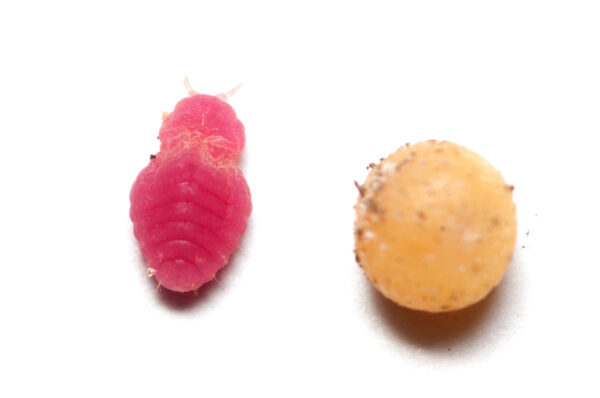
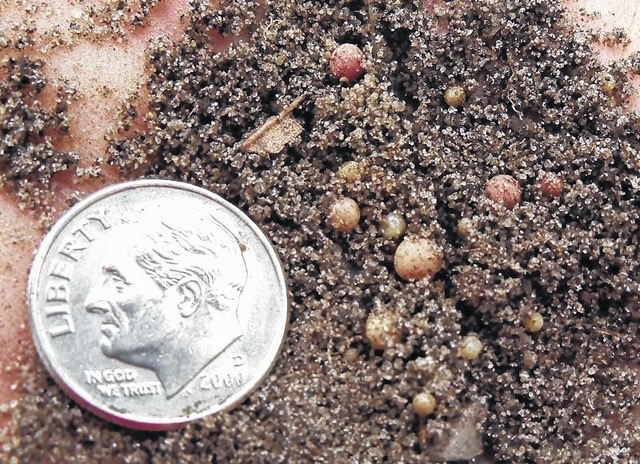
For most of the life cycle of a ground pearl, they do not look like insects at all. They look more like fertilizer granules than insects. They get the name ‘ground pearl’ because they look like tiny little pearls. Even under a microscope they do not have any visible arms or legs or body parts at all. But they are living insects, they do still move, and they do feed on turf.
A female ground pearl can lay 100s of eggs within her lifetime. These eggs take only a few days to hatch. Once they have hatched, the ground pearls immediately attach themselves to the root system of the turf that they are living under. They quickly use the nutrients that they are sucking out of the root system to form a protective waxy cyst ‘pearl’ to live in. This is how ground pearls spend most of their life cycle. They can live inside of their ‘pearls’ for many many years, feeding on turf roots continuously.
In the Spring, female ground pearls emerge from their protective pearls to lay more eggs. This is one of the only times in the ground pearl’s life cycle where the insect itself is visible. They look like extremely tiny and pink rolly pollies.
How They Feed
While most scale insects that are in the same scientific family as ground pearls typically feed on above ground plants, ground pearls are unique in that they live and feed completely underground. They are most commonly found in warm season turf lawns, and they do their damage by feeding on the root system of the turf until it begins to die off.
Signs of a Ground Pearl Infestation
Ground pearls are difficult to see, even when a lawn is heavily infested. They remain underground and never emerge to the surface. They can live several feet below the soil, making them extremely difficult to identify.
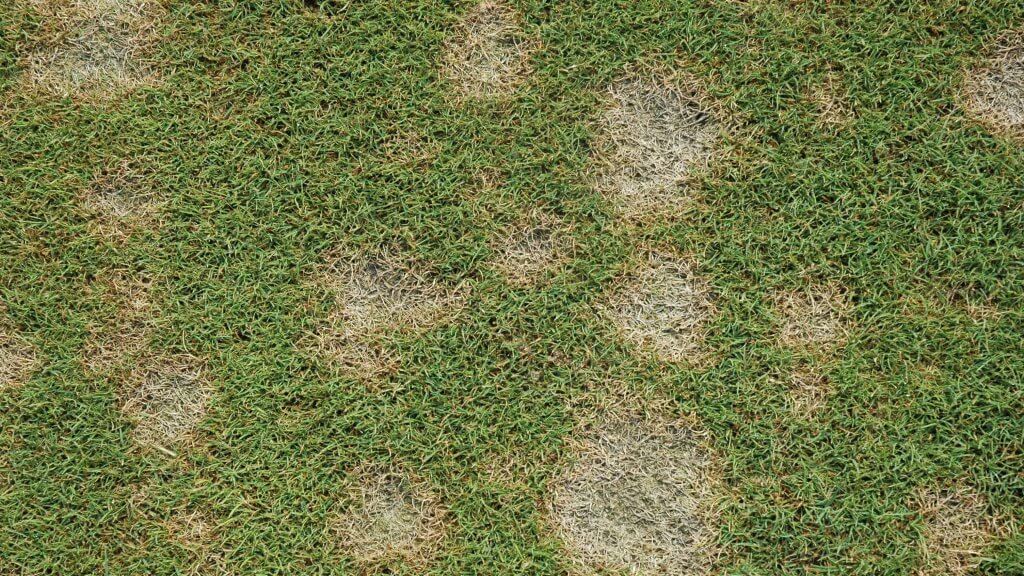
One of the most noticeable signs is grass that begins turning yellow. The grass will eventually turn brown and die. These patches of dead grass may continue spreading across the lawn.
How to Treat Ground Pearls:
So here is the most insane part about ground pearls and why they are so unique and difficult to treat. When they are living inside their protective little ‘pearl’, they are completely protected and not affected by any type of pesticide or chemical that any gardener or scientist has ever attempted to use as means to kill them. We cannot get them when they are inside of the pearl, and they only come out to lay more eggs. That’s why they are such a puzzling on-going issue in every area of the United States where warm season lawns are most common. They cannot be controlled by insecticides, and they live so deep underground that they also cannot be excavated.
Scientists continue researching pesticides and insects to better understand ground pearls and potential treatment options. Hopefully, an effective ground pearl insecticide will become available on the market soon. Until then, our knowledgeable team at Beach Landscaping continues working to find potential solutions for ground pearl infestations. While no official ground pearl treatment is currently available, several products can help address lawn problems. Our experienced team has extensive knowledge of these products and their uses. We use this experience to help customers maintain healthy, beautiful lawns.
If you suspect that you may have a ground pearl infestation, give us a call at 843-839-5584. Schedule an appointment with our specialists to provide a proper diagnosis and treatment plan.
Have Experience With Them?
If you have any experience with a ground pearl infestation in your lawn, we’d love to hear from you! What types of solutions did you try? Did it work? What didn’t work? Send us an email using this link to share your ground pearl experience with us in an effort to help us come up with an effective solution to the ground pearl problem of the southeastern United States!