How to Identify South Carolina Weeds
Here at Beach Landscaping, we are just as dedicated to teaching the public about native South Carolina plants as we are to providing quality landscaping and hardscaping services! That’s why we like to play a game called ‘Name That Weed’ with Matt and Jenn on our Facebook page, a series where we help you learn how to identify and treat the native weeds that may be growing in your own backyard.
Although we may have given away the answer in our ‘Name That Weed’ video about this specific plant, today we are going to dive a little deeper into how to properly identify and treat your lawn for Poison Ivy, as well as some other native South Carolina weeds that carry the same poison, Poison Oak and Poison Sumac.
Identifying Poisonous Weeds
All 3 of these native South Carolina weeds carry the same poisonous oil within them that causes the rash reaction. This oil lives in the leaves, the stems, the roots, and even in the dead stems and roots. It can take up to 6 hours for the rash to begin to flare after coming in contact with the skin, so it is extremely important to wash your skin as soon as possible.
Soap and water can be enough to get the oils off of the skin if thoroughly scrubbed. Orange Goo mechanics grease remover is a great product to have on hand in your car or in your home if you often find yourself in wooded areas that are dense in native foliage in case you come into contact with any of these poisonous weeds. If you are not able to wash the oil off of your skin quick enough to avoid the rash setting in, you can treat the rash with topical treatments like calamine lotion, oatmeal bath, baking soda and water, or a cool/wet compress.
This poisonous oil can also be carried from place to place by the following objects without even realizing it: gloves, garden tools, backpacks, dog fur, firewood. So be mindful to avoid contact with this list of items, as well as your own skin. All of these weeds like to grow within and around many many different types of native foliage to disguise themselves, making them difficult to identify amongst the crowd without the proper identification knowledge.
Now, let’s get into how to identify these 3 poisonous weeds so that you know what to stay far away from:
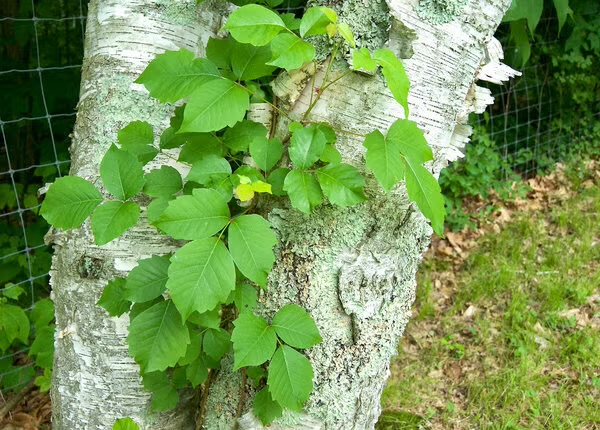
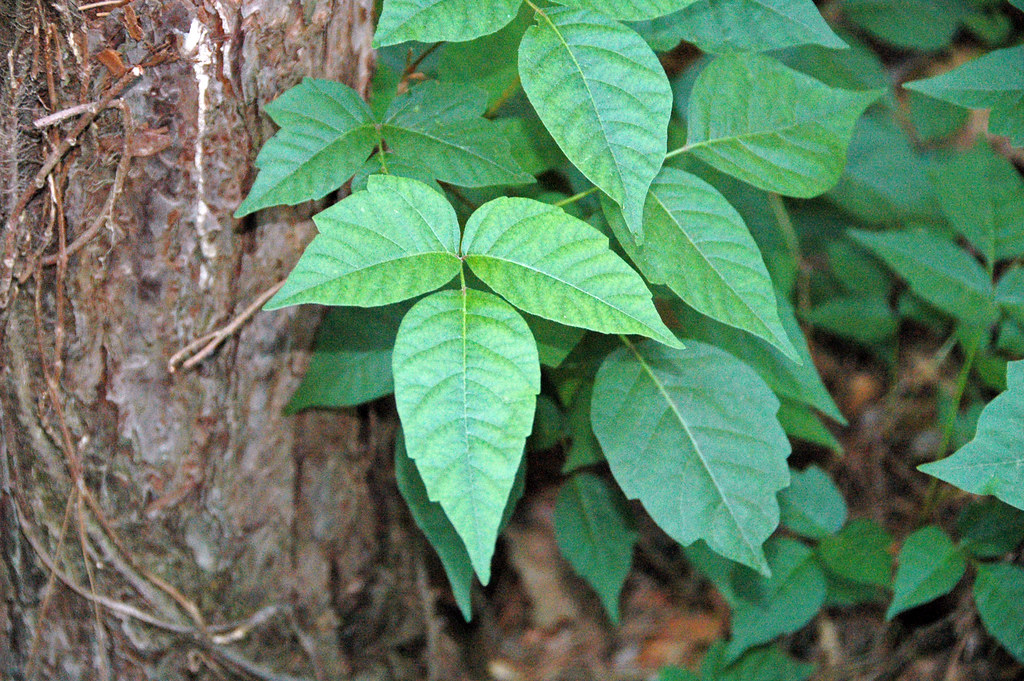
1. Poison Ivy:
- Grows in groups of 3 leaves
- Mature leaves are almond shaped often with notches or irregular edges and younger leaves can have more smooth edges
- New growth appears to be glossy and lighter in color where as mature leaves become a shade of green that resembles mint leaves
- They appear fuzzy, a look caused by tiny little hairs all along the leaves and stems
- Leaves turn red/orange in the fall
- They lose their leaves in the winter but the stems and roots are still poisonous
- Climbs like a vine or creeps low to the ground
- Not a lawn weed – most often found growing along the edges of wooded areas and climbing up trees in the edges of a yard
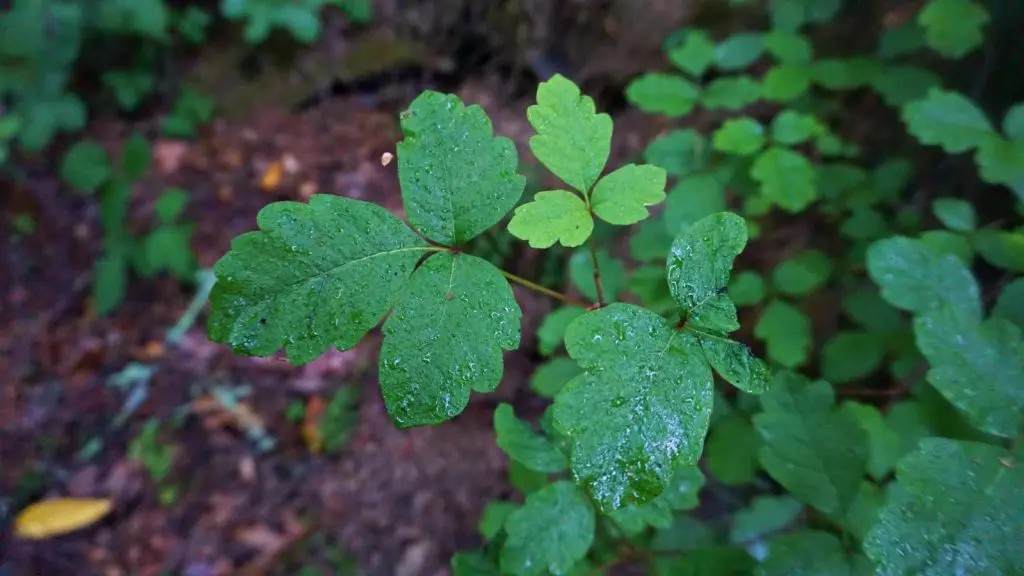
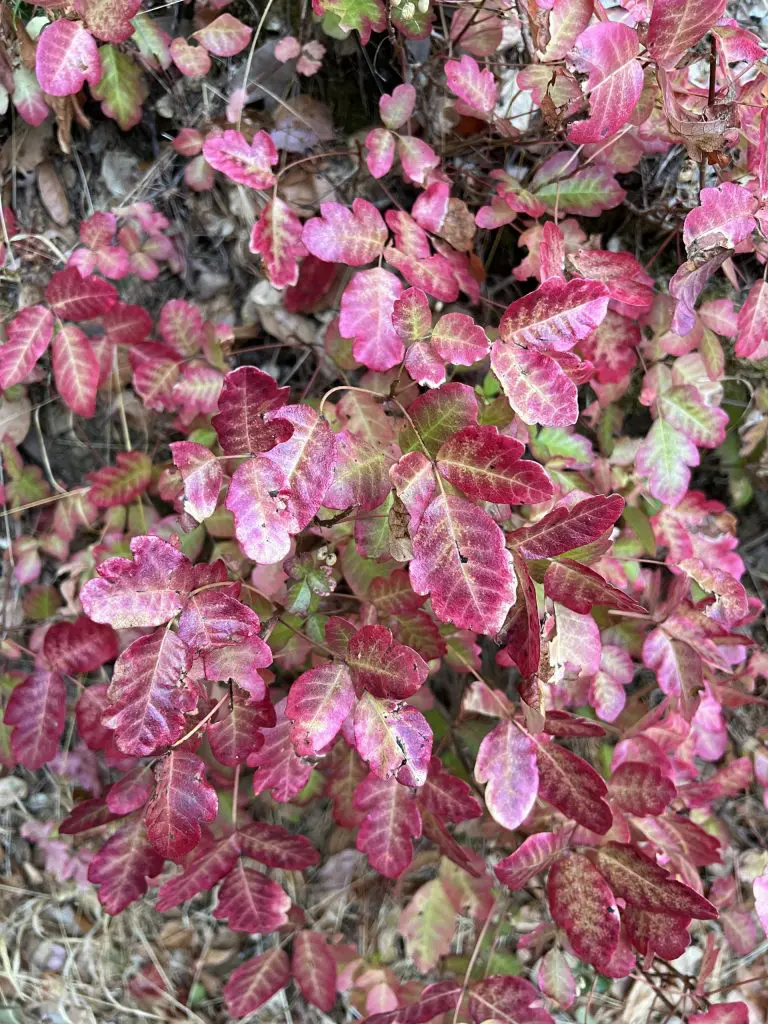
2. Poison Oak:
- 3 leaflets with rounded lobes that vary in size
- Red-ish stem where the leaves meet
- Color shifts dramatically in the fall
- Often bushy but can climb or trail
- Grows near trails, fire roads, and clearings
2. Poison Sumac:
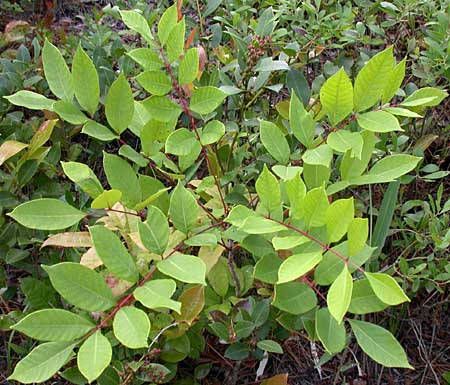
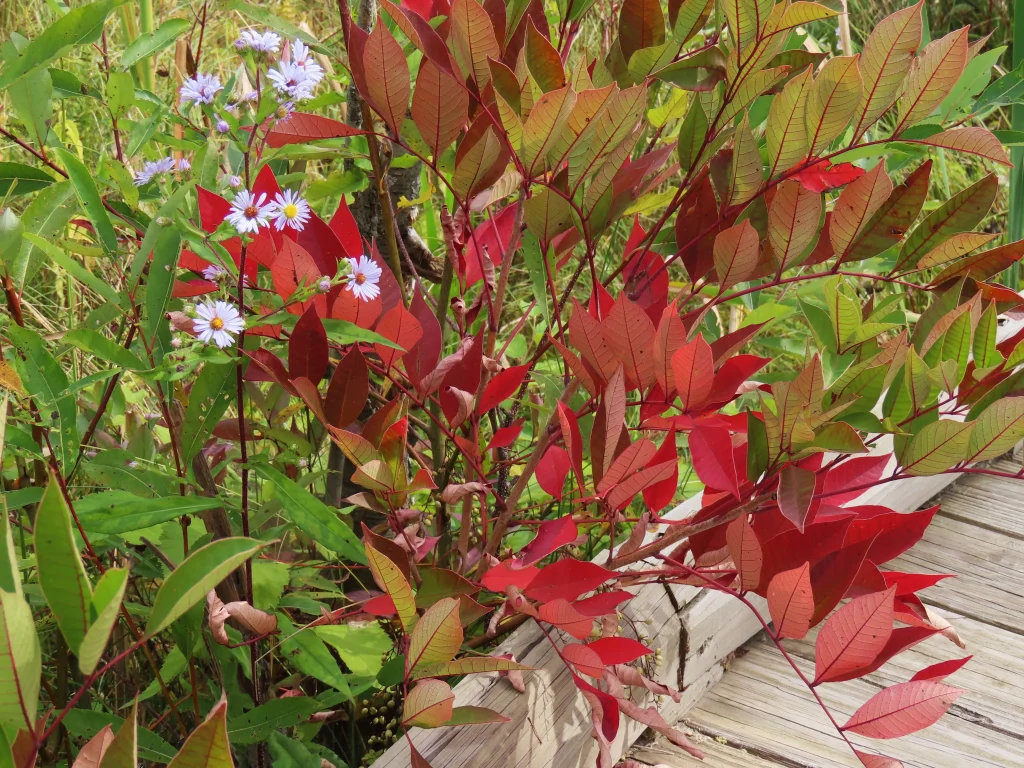
- Only in swamps or bogs
- 7-13 smooth-edged leaflets
- Bright red central stem
- White berries in the fall
- The most poisonous of the 3
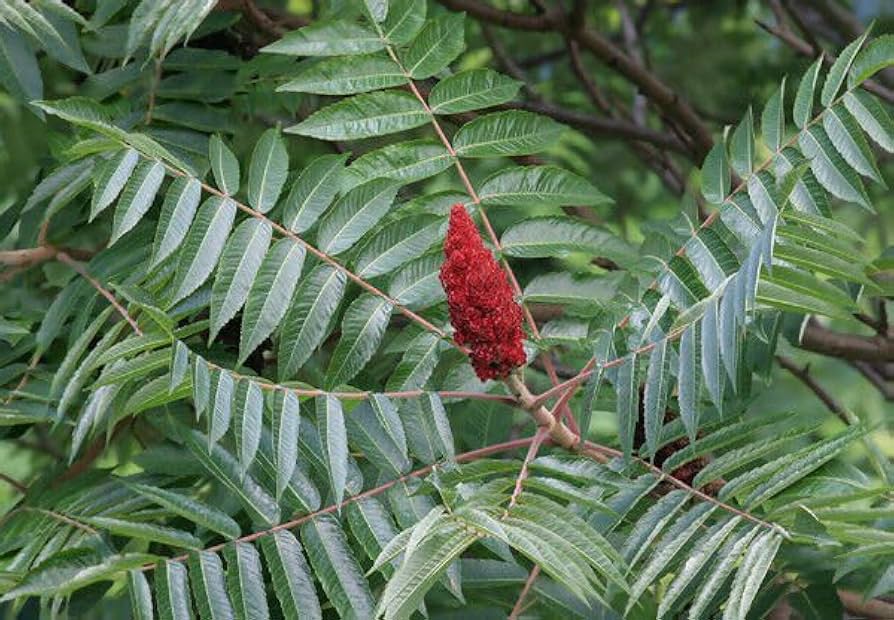
- often confused with harmless staghorn sumac which has fuzzy velvety stems and up-right red seed clusters
Common Imposters:
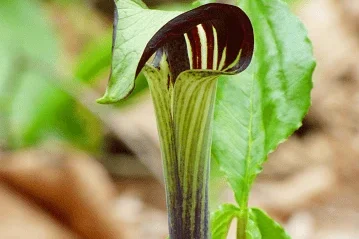
Indian Turnip
- Grows up-right rather than climbing or creeping
- A single stemmed woodland plant that produces a green and purple hooded flower
- More of a matte/satin appearance rather than glossy
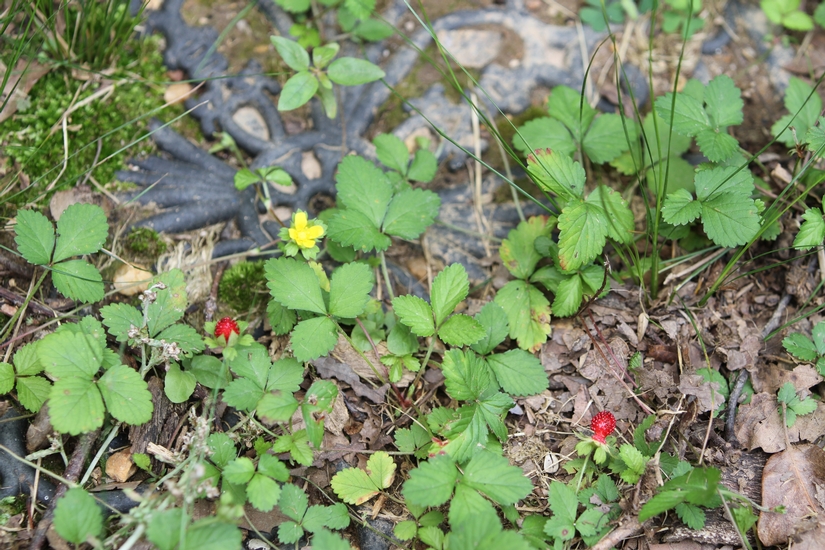
Wild Strawberry
- Leaf edges have fine sharp serrated edges
- Leaves can be fuzzy but they are a much more dull shade of green
- Produces small white flowers with yellow centers and edible red berries in the spring
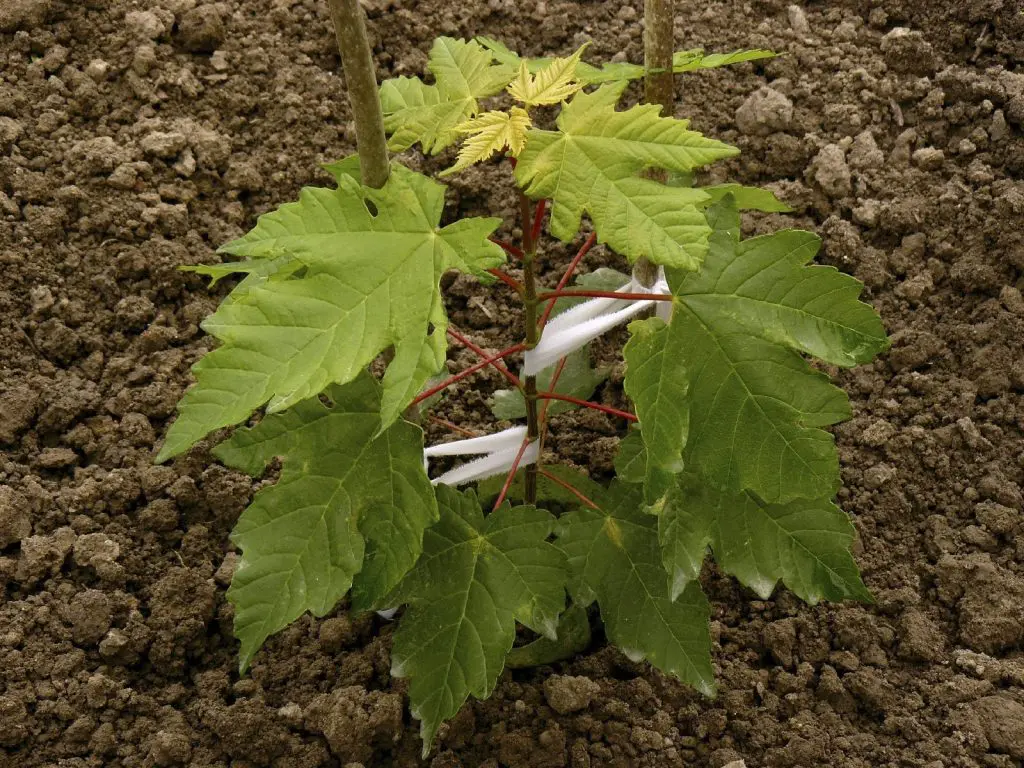
Young Maples
- Often have small serrated or ruffled edges
- More light green/yellow in color
- Grows up-right into an independent woody tree
- Leaves that grow directly across from each other on their stem, as opposed to in a step by step alternating pattern along the stem
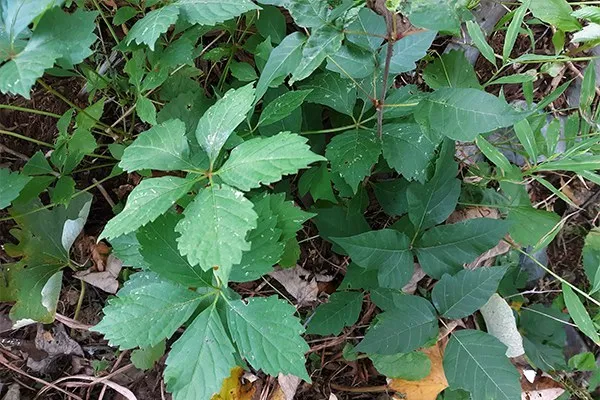
Virginia Creeper
- Clusters of 5 leaflets rather than 3 (young or damage growth can sometimes only have a 3 leaflet cluster, but they are relatively rare)
- Serrated edges
- Climbing plant with smooth stems that lack any hair or fuzz
- Produces ornamental blue/purple berries
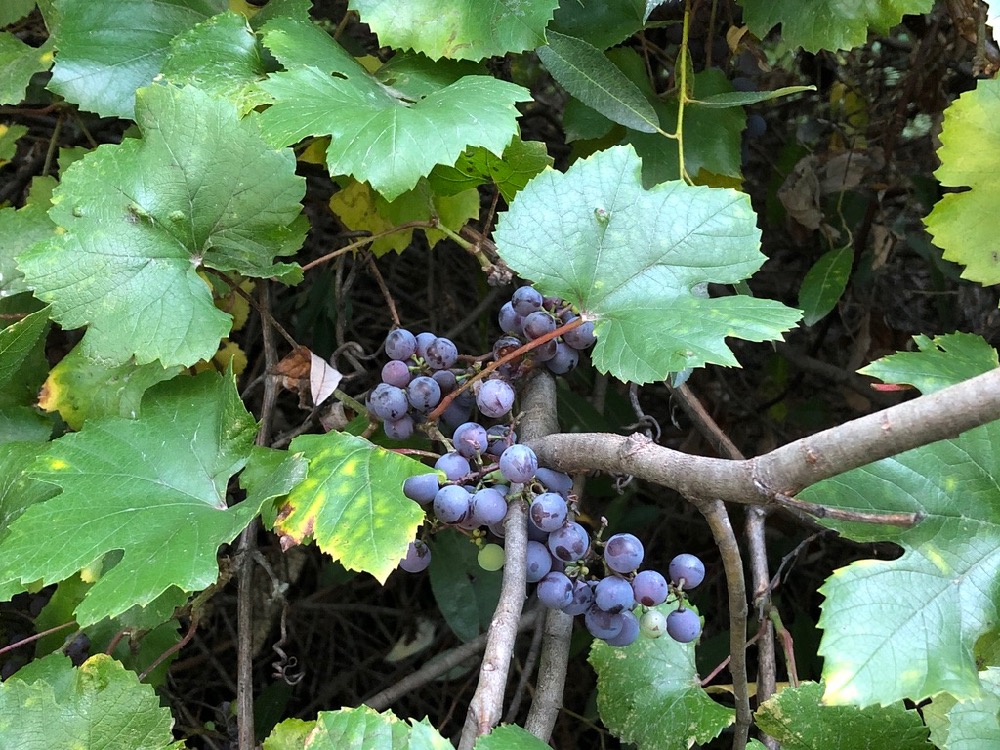
Wild Grapes
- One single large palm-shaped leaf that can sometimes be lobed, creating the appearance of a 3-leaflet cluster from a distance
- Thick, woody, flakey vines that climb
- Dangling clusters of edible grapes
Learn Your South Carolina Weeds with Beach Landscaping
When getting rid of poison ivy, make sure you wear long clothing and gloves to make sure it cannot come into contact with your skin during the elimination process. Pull the plants out by hand, try to dig up as much of the root system as possible to prevent the weed from coming back. You can also treat with Roundup, or other chemical herbicides containing glyphosate and triclopyr.
Do not attempt to burn any of these plants, as the poisonous oils within the plant become airborne when burned, making it possible for the rash to develop inside of your lungs.