What’s Blooming in October?
Plants and Flowers Blooming in October:
- Mums
- Marigold
- Witchhazel
- Goldenrod
- Swamp sunflower
Fruits and Vegetables Blooming in October:
- Apples
- Eggplant
- Gourds/Pumpkins
- Turmeric
- Cilantro
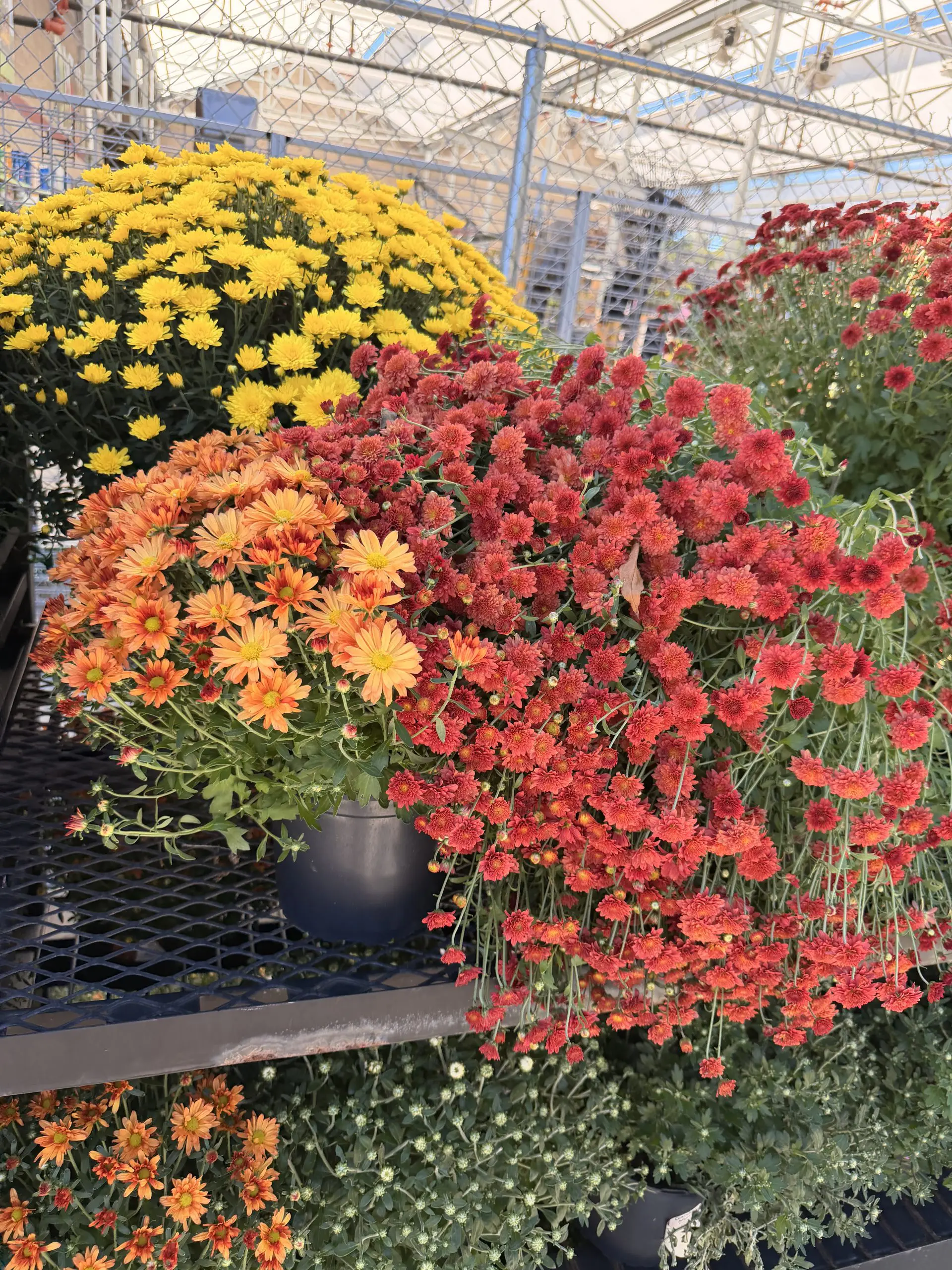
Mums
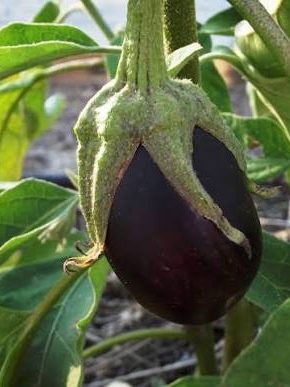
Eggplant
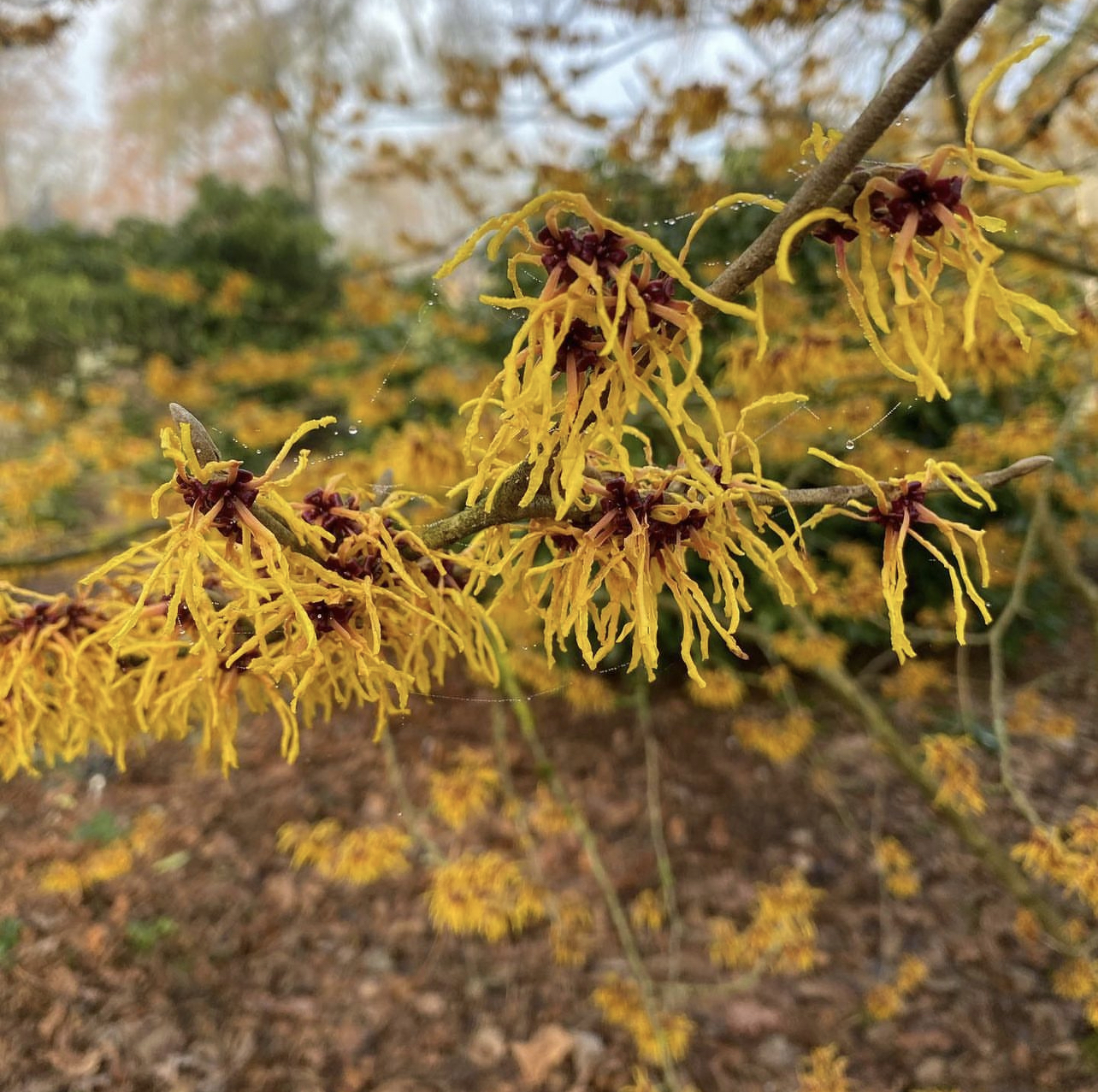
Witchhazel
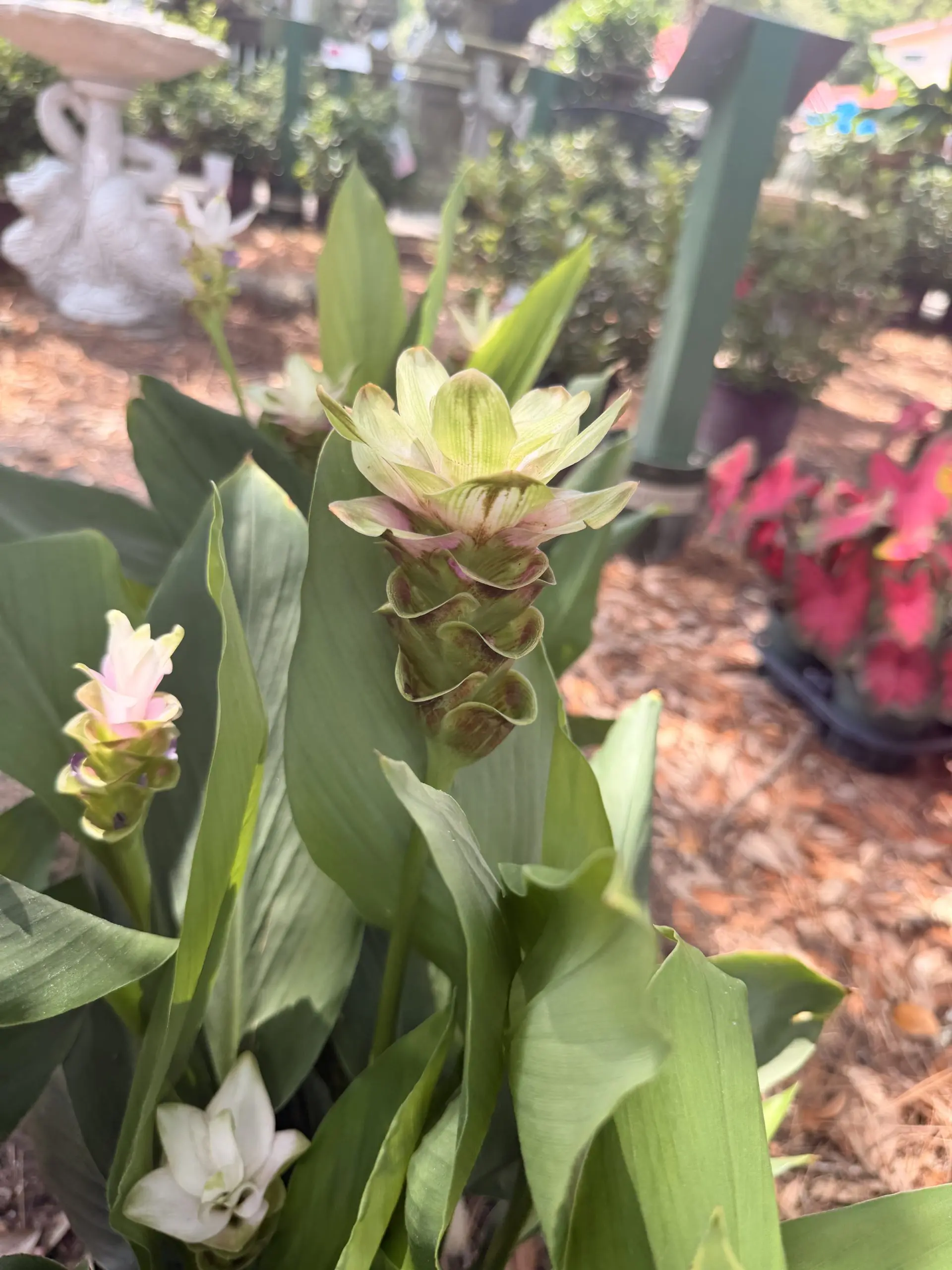
Tumeric
Fertilizing Tips this October:
Fertilizing with a high in nitrogen is something that you want to avoid during the fall season! While the goal of a nitrogen fertilizer may be to promote more foliage growth, applying it during the fall season can actually do much more harm than good for your foliage. Instead, use an organic and nutrient rich fertilizer that is NOT high in nitrogen! This will help improve the overall health of the soil and promote long term health.
Pruning needs this month:
Heavy pruning on your deciduous trees and shrubs is another thing that you will want to avoid this fall season! Deciduous trees and shrubs lose their leaves in the winter every year. Pruning these trees and shrubs heavily before their leaves drop will take away a great deal of the nutrients that have stored away during the growing season. These nutrients that they have stored away are meant to help provide them with the amount of energy needed to emerge from dormancy and produce lush foliage come next spring. Waiting until deciduous trees and shrubs have entered dormancy allows them to keep their growing season energy stored away safely all winter long!
Pests and diseases:
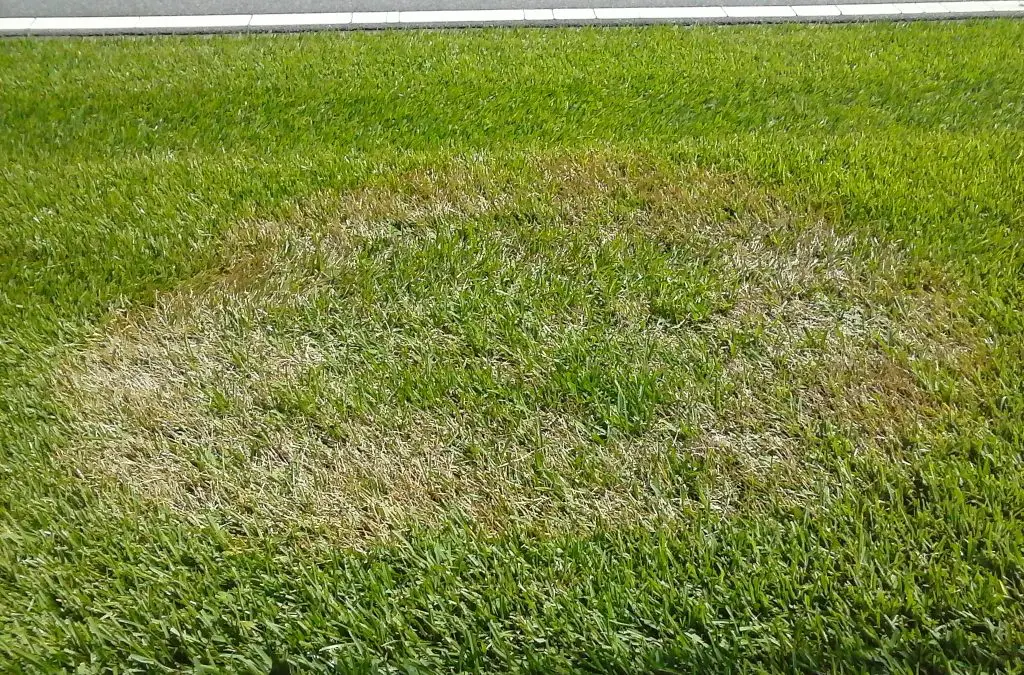
- Brown Patch:
Brown Patch is a lawn fungal disease that commonly attacks warm-season South Carolina lawn grasses like St. Augustine, Zoysia, Bermuda, and Centipede. Symptoms of Brown Patch include discolored/brown irregular shapes of turf in an otherwise green lawn. Once Brown Patch has been properly identified, it must be treated with a chemical fungicide like azoxystrobin or propiconazole. Preventative fungicide applications can also be used to help your lawn fight against fungal diseases like Brown Patch.
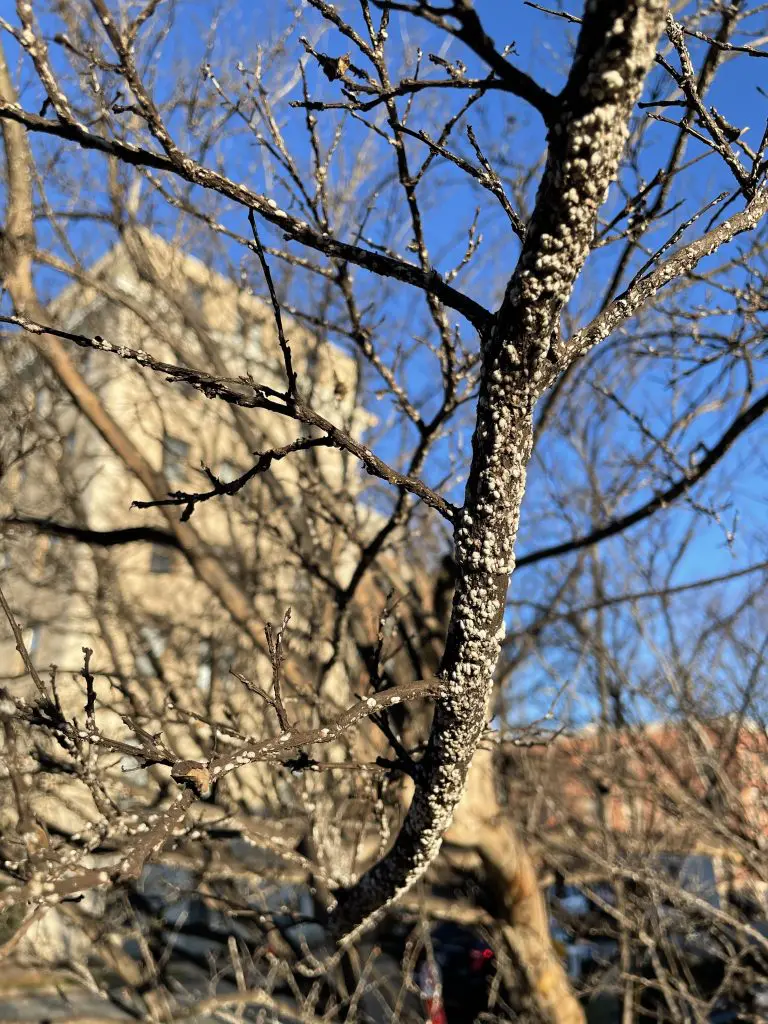
- Crape Myrtle Bark Scale:
Crape Myrtle bark scale is a disease caused by scale insects that damage Crape Myrtles by interfering with the tree’s nutrient intake, as well as interfering with the amount of sunlight that the tree is able to absorb. Signs that your crape myrtle could be suffering from crape myrtle bark scale include gray/black sooty mold coating the bark of the tree, white egg sacks, sticky residue, increased amount of ants on/around the infected crape myrtle, and pink fluid. You can treat a crape myrtle bark scale infestation with horticulture oil or insecticides including ingredients such as imidacloprid or dinotefuran.
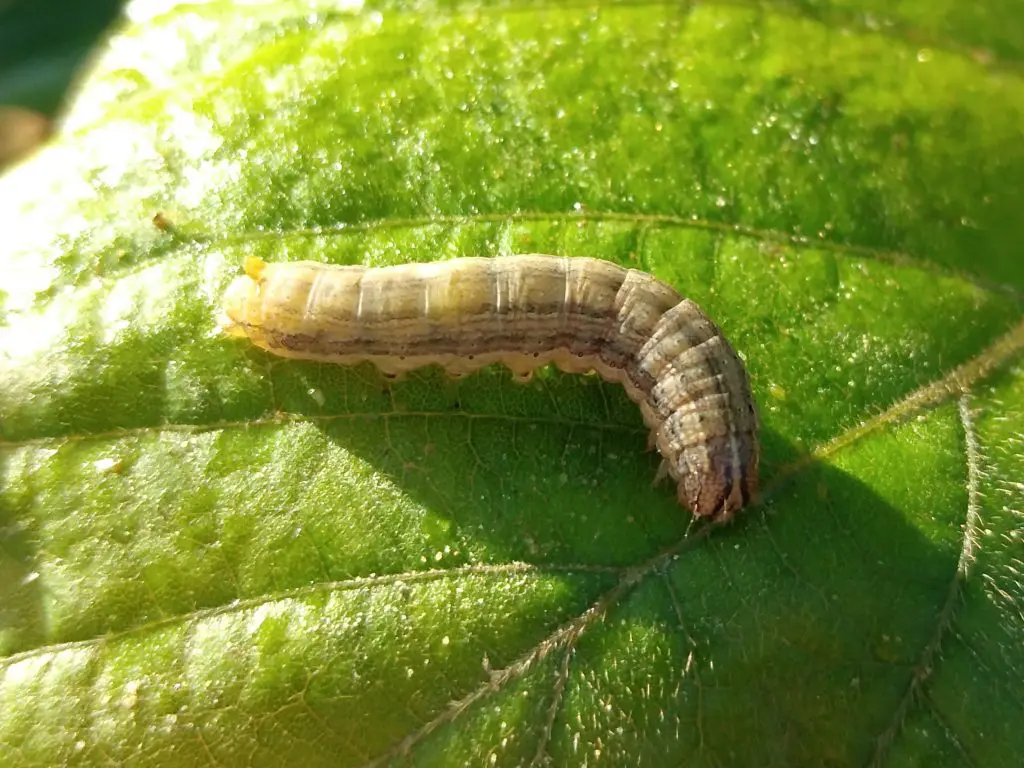
- Fall Armyworms:
Army worms are little caterpillars that love to feed on turf, especially young turf! The life cycle of an army worm starts when a moth lays eggs in a lawn or on solid surfaces in/around a lawn. Signs of an army worm infestation include patches of brown or dead grass in your lawn. Acting quickly if you suspect an army worm infestation is critical for saving your lawn. To confirm that you have an army worm infestation, pour a bucket of soapy water on top of the damaged turf. This will make the army worms emerge from the surface of the turf, making them completely visible. A chemical called ‘Chloratraniliprole’ is the most important ingredient for army worm treatment products.
Additional October tips:
Temperatures may be beginning to cool off as we welcome the fall season, but it’s not time to adjust your irrigation schedule just yet. As long as we are still getting days of 80 degree weather every now and then, your plants and your lawn still need to be on their summer watering schedule, especially during periods of drought. When temperatures are consistently 72 degrees and under, that is when we can transition from our summer watering schedule to our fall watering schedule!