Crape Myrtle Care
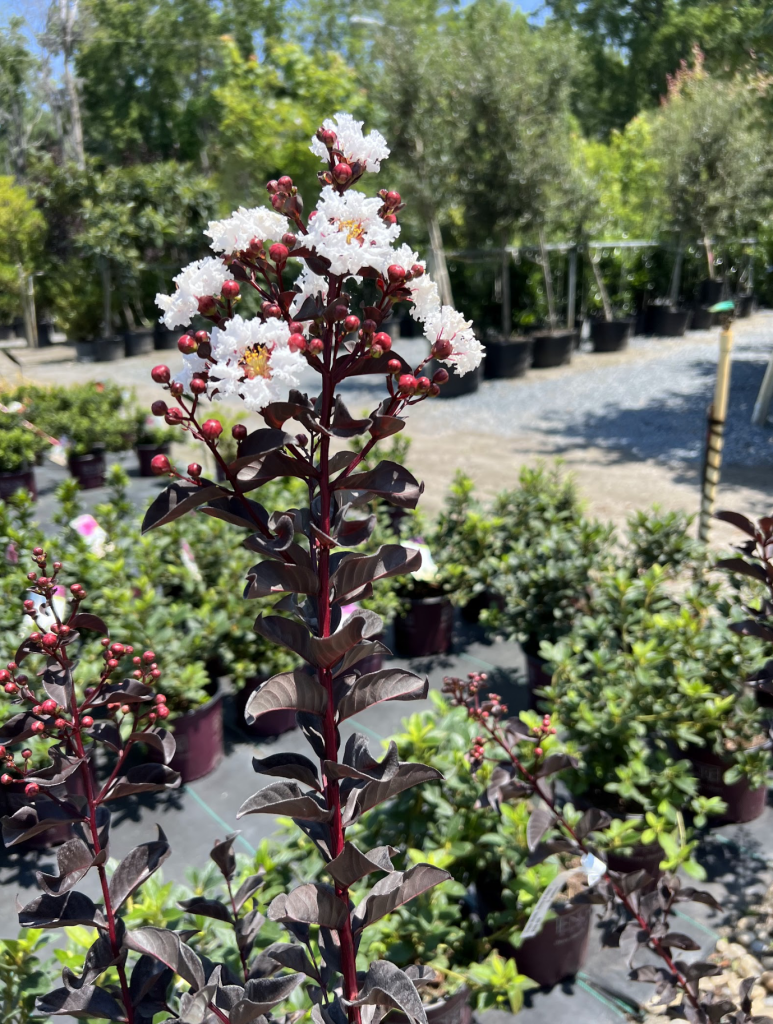
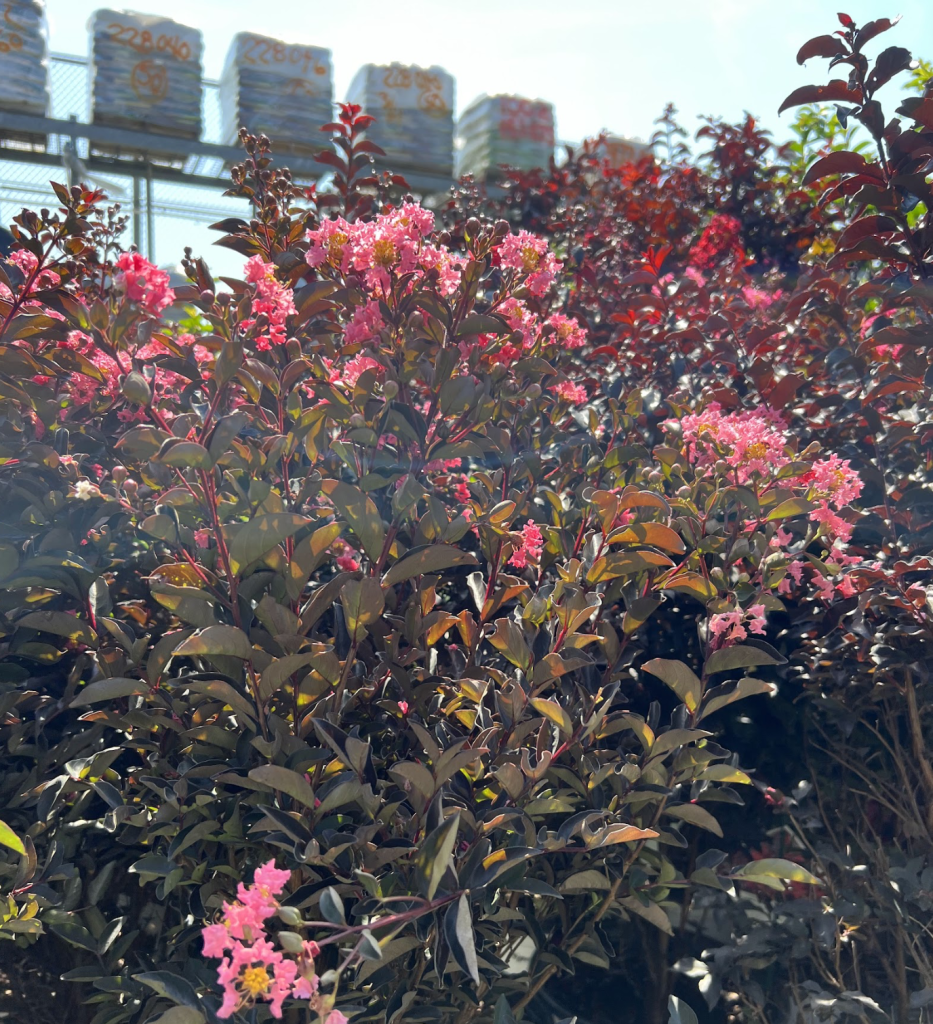
Crape Myrtles are deciduous trees that produce bold and vibrant blooms during the summer. They also only produce flowers on new growth. Learning the proper pruning methods is essential for lush and long-lasting blooms.
Pruning
The ideal time to prune your Crape Myrtle is the late winter/early spring, while the tree is still in dormancy. During dormancy, these plants will lose all of its foliage, making it easier to inspect branches for damage. While pruning, focus on removing all damaged, dead, or broken branches to prevent the spread of potential infection or disease.
It can also be beneficial to remove a few branches from the center of the tree. This allows for better sunlight access and air flow. You can also trim some of the branches during dormancy to promote a growing habit in the shape of your preference. If you are going to trim your branches, be sure to never cut off more than 1/3rd of the size of the entire branch. Doing so helps to avoid any damage to the overall health and appearance of the tree. Please do not trim your Crape Myrtle in the summer or fall.
Treatment
Another piece of essential care information is how to treat and prevent Crape Myrtle bark scale. Crape Myrtle bark scale is a disease caused by scale insects that damage the trees. They do this by interfering with the tree’s nutrient intake and the amount of sunlight that the tree is able to absorb. There are a variety of cold weather temperature sensitive horticulture oils that can be used to fight off Crape Myrtle bark scale during the winter, as well as pesticide treatment options for the summer months.
Learn more about the causes and treatment options of Crape Myrtle bark scale. Our knowledgeable applications specialist, Jenn, talks all about how Crape Myrtle bark scale is damaging your trees, and how to treat the issue. Visit our Facebook page, where we post informational videos to provide all kinds of landscaping care tips for our local Myrtle Beach residents.