Common Toxic Plants To Look Out For This Summer
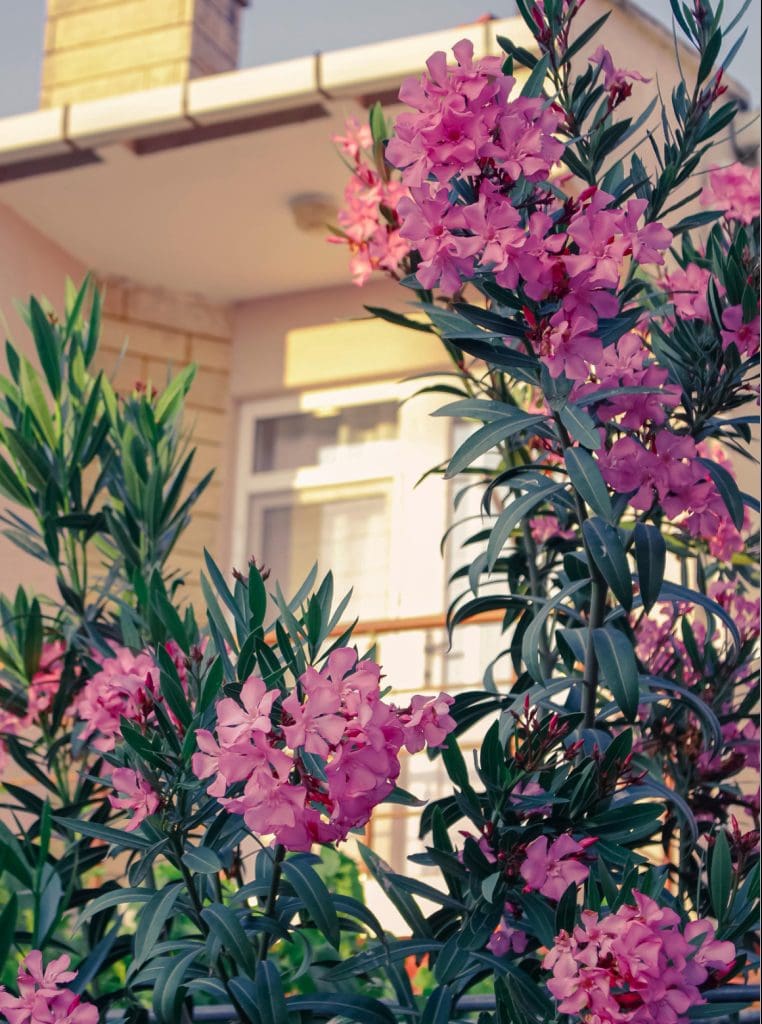
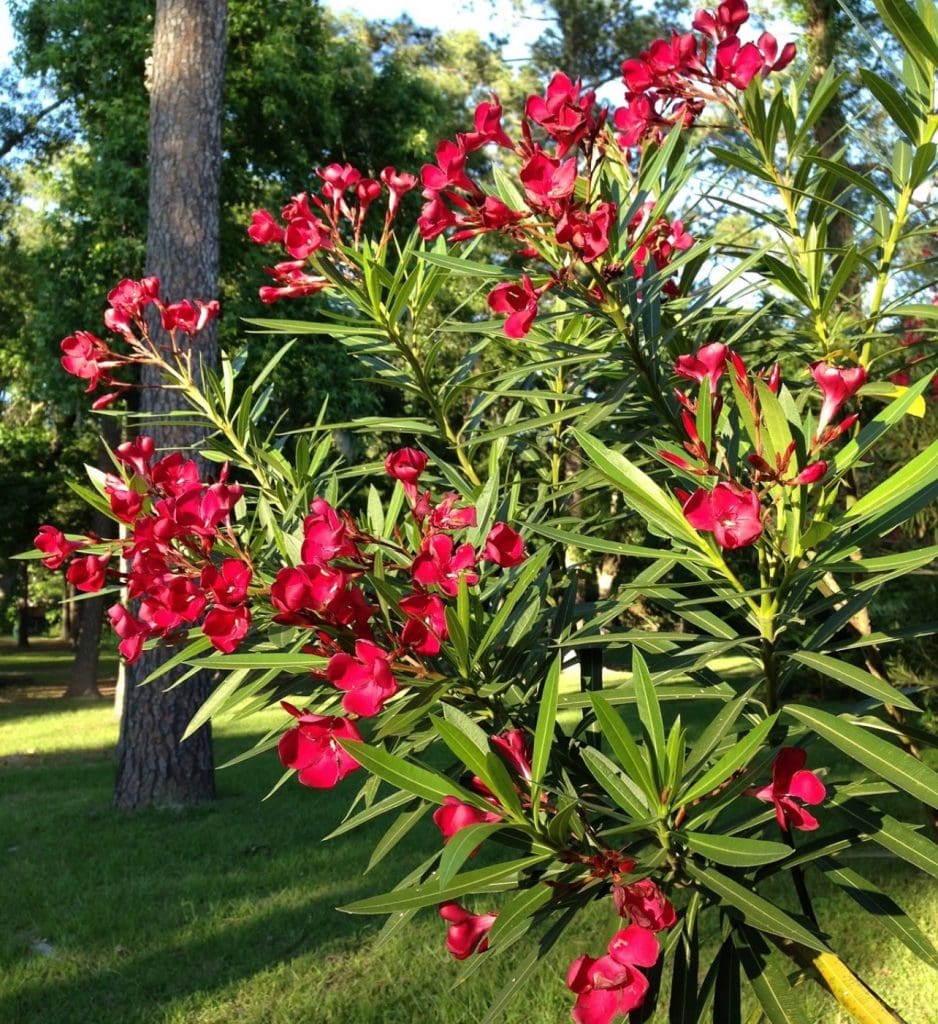

Oleander
All parts of the oleander plant are highly toxic for humans and pets if eaten. The sap of the plant can also cause a rash if it comes into contact with skin. Oleander is one of the extremely common toxic plants used in public outdoor spaces all across America, so it is very important to be able to recognize and identify. Fatal cases of oleander poisoning are rare but still possible. Consult with a medical professional immediately if you believe that you, a loved one, or a pet could be suffering from oleander poisoning.
How to identify oleander:
- Glossy dark green leaves
- Leaves that are long, narrow, and have a point at the end
- Leaves with a leathery, thick, and smooth texture
- 5 petaled funnel shaped flowers that bloom from early summer to mid fall
- Blooms can come in color variations of pink, red, white, and sometimes yellow
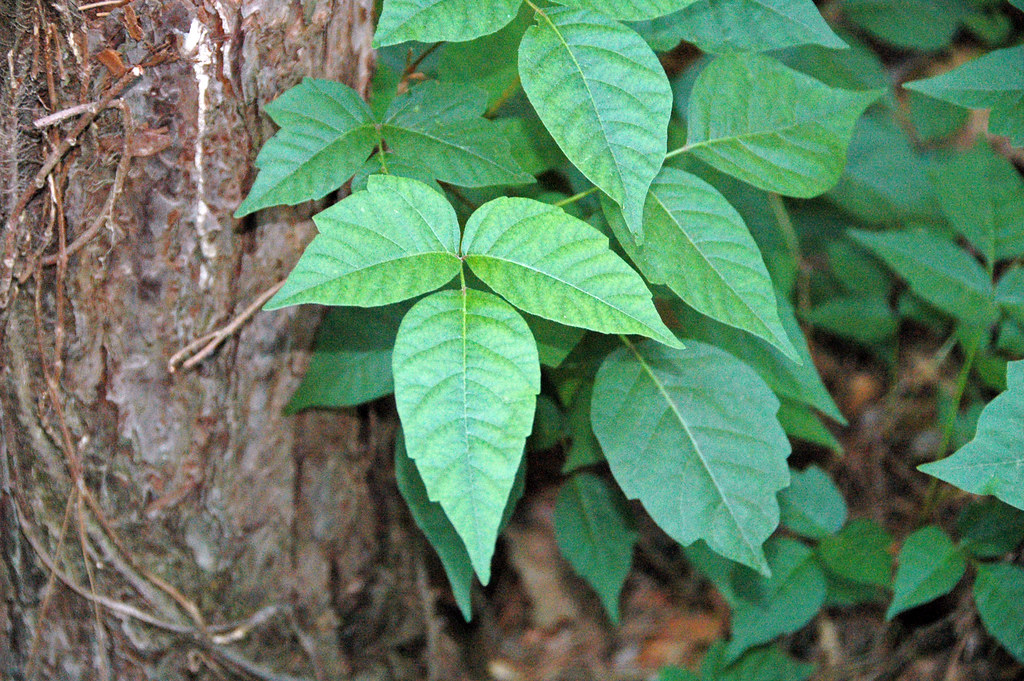
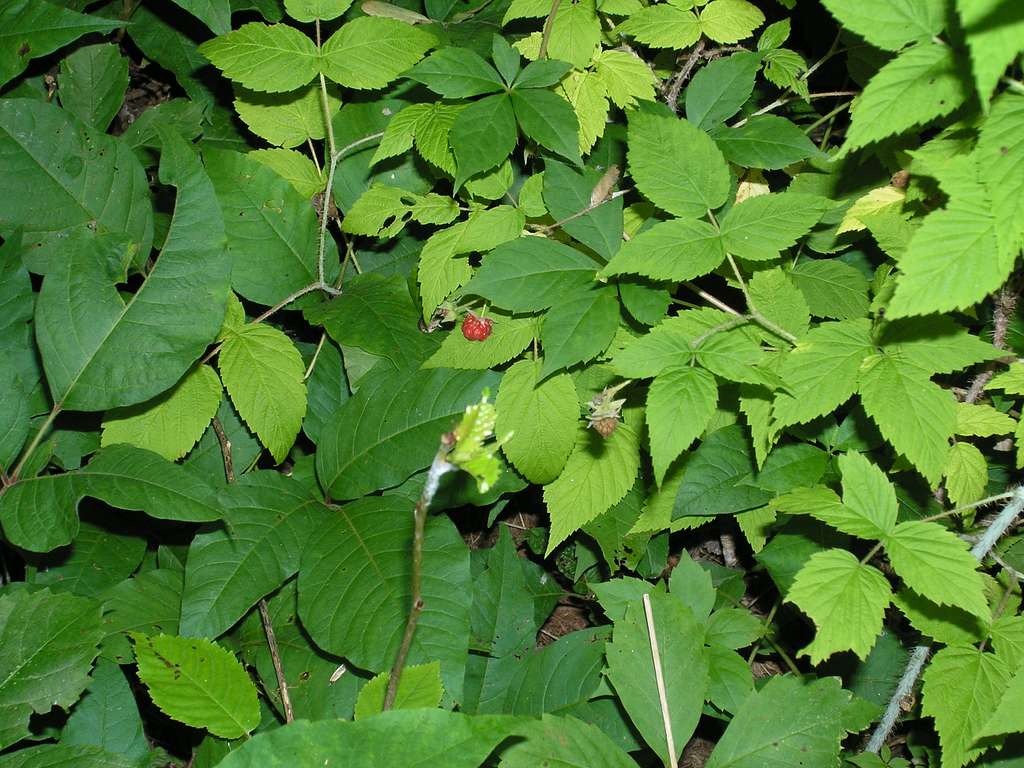
Poison Ivy
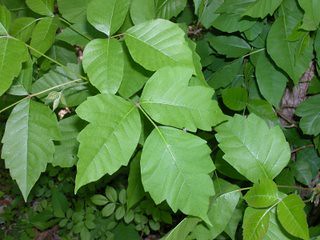
All parts of the poison ivy plant are highly toxic for humans and pets if it comes in contact with skin. A common toxic plant that can be found at the edge of those woods behind your home. Poison ivy causes itching, inflammation, and blistering on the area of the skin that the plant has come in contact with. Poison ivy is a very common weed that grows naturally in many public and private outdoor spaces, so it is another very important toxic plant to be able to recognize and identify.
How to identify poison ivy:
- 3 leaf clusters with the middle leaf often being longer than the other 2
- A smooth leaf with slightly gagged edges
- Fuzzy vines
- Tiny white flowers and berries
- Can grow naturally as a climbing vine, a spreading ground cover, or a shrub
- Leaves that are green in the summer, red in the spring, and yellow/orange in the fall

Carolina Jessamine
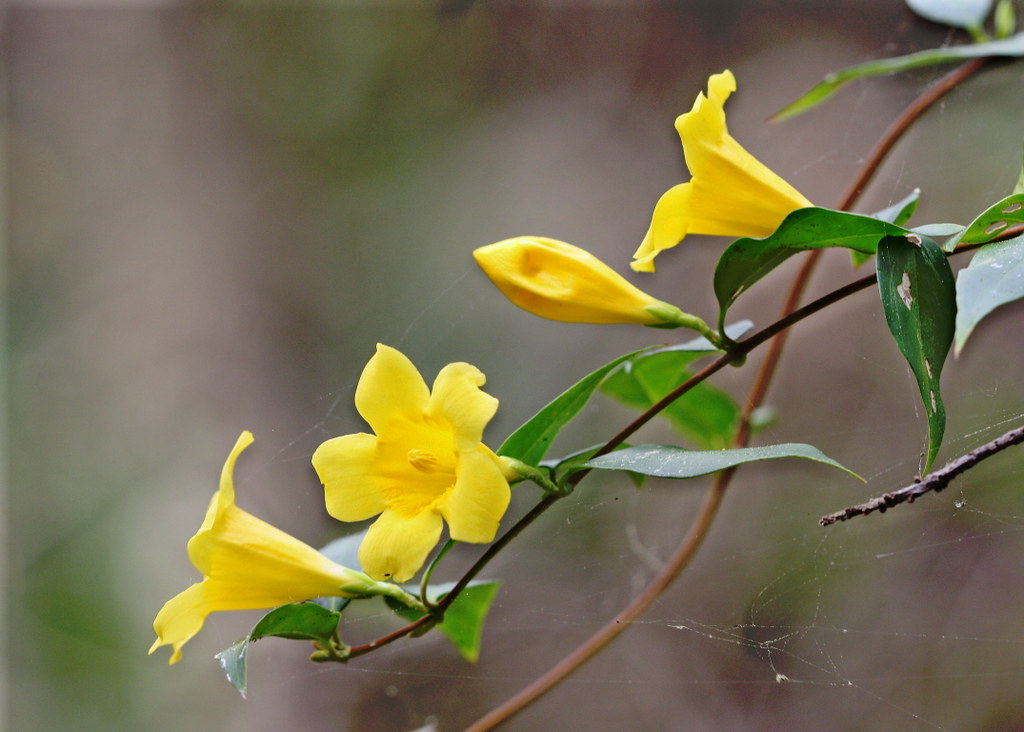
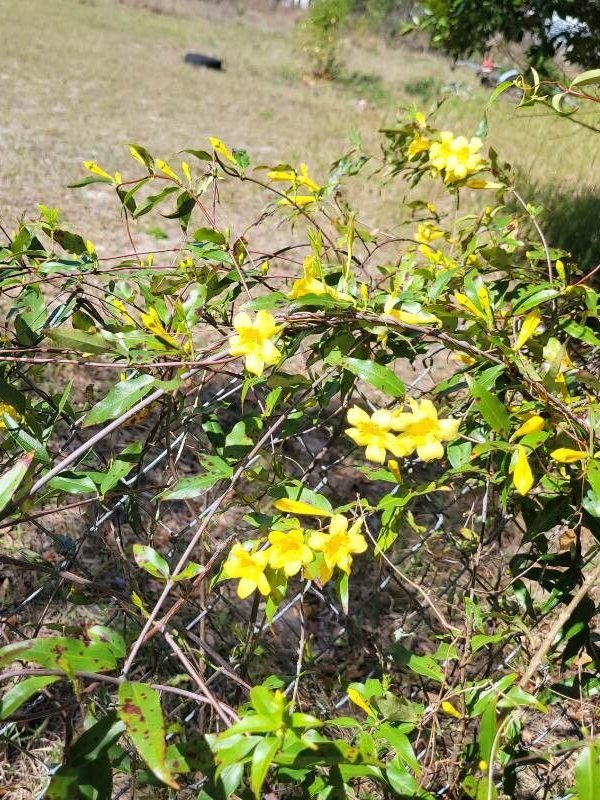
All parts of the carolina jessamine plant are highly toxic for humans and pets if eaten. This is a plant that commonly grows in forest areas and is even sometimes used as an ornamental plant in landscaping. Symptoms of carolina jessamine poisoning include sweating, nausea, muscle weakness, dilated pupils, lowered temperature, convulsions, and even respiratory failure.
How to identify carolina jessamine:
- A thin and wiry climbing vine
- Shiny, green, elongated, pointy leaves
- Yellow flower clusters that bloom from late winter to early spring
- Fragrant blooms

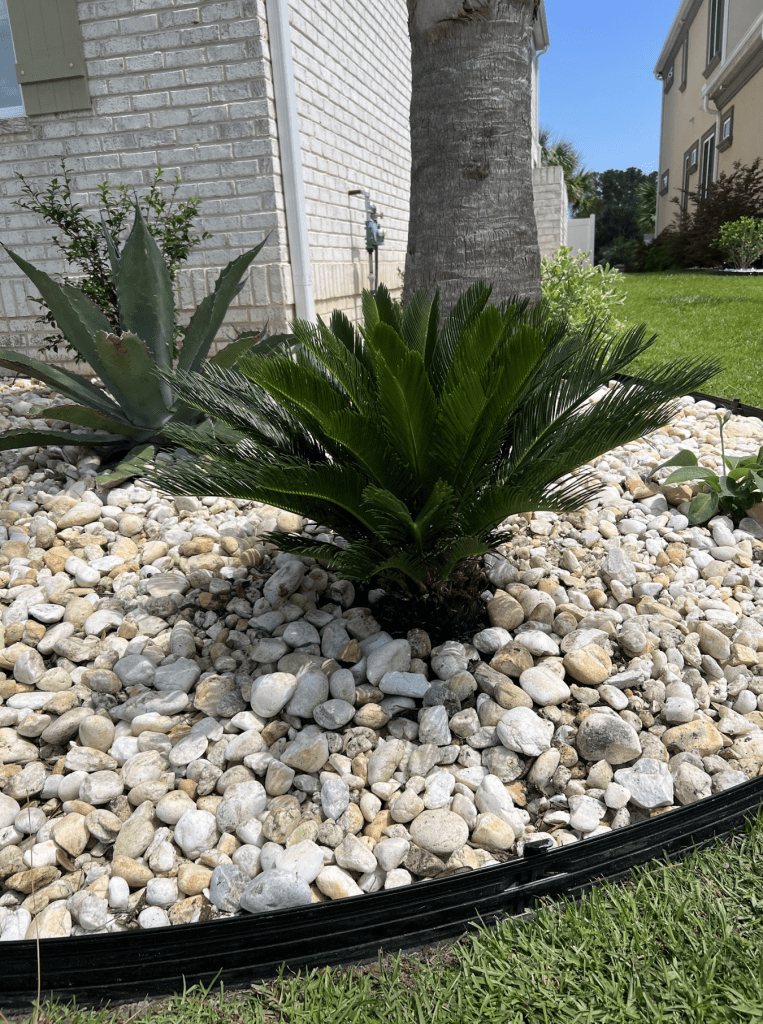
Sago Palm Tree
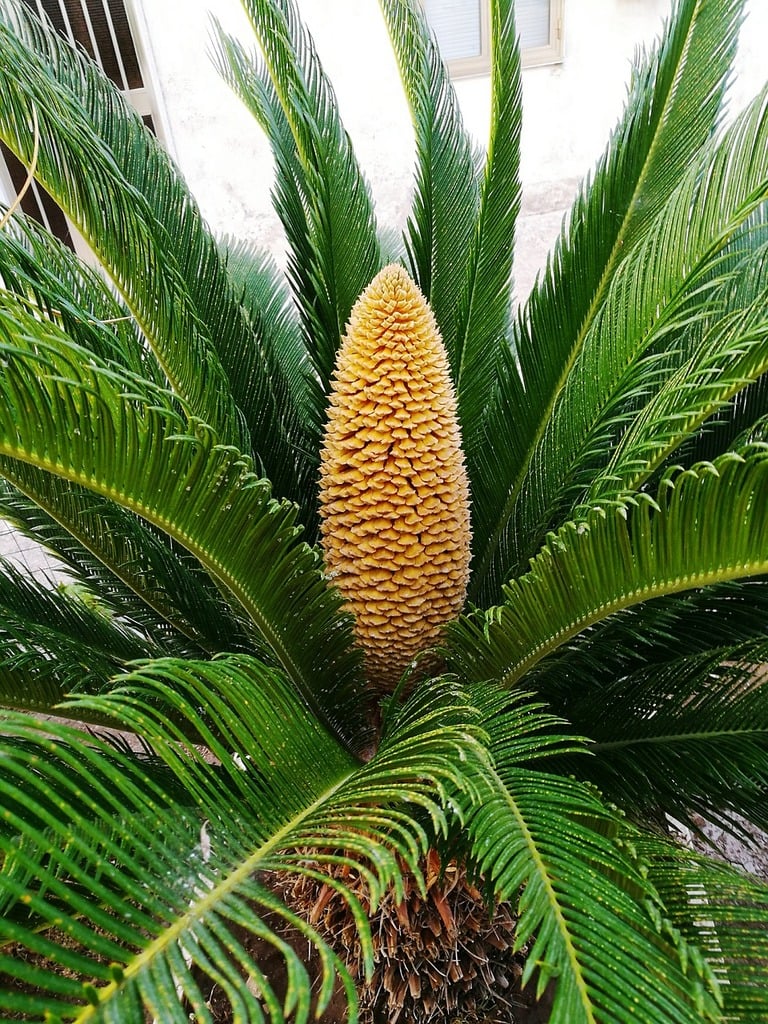
All parts of the sago palm tree are highly toxic for humans and pets if eaten. The seeds of the plant hold the most toxins and are the most dangerous to ingest. Within 12 hours of ingesting any part of the sago palm tree, you may experience vomiting, diarrhea, seizures, digestive system irritation, internal failures, and severe liver damage. Ingesting any part of the sago palm tree long-term can cause permanent health issues that have the potential to become fatal. The pointy leaflets of the sago palm can also cause itching and skin irritation if they poke your skin. Sago palm trees are very commonly used as an ornamental plant in landscape designs in public spaces all over South Carolina, which makes them very important to be able to recognize and identify.
How to identify a sago palm tree:
- Short, stout, and shaggy trunk
- Feathery leaves that are divided into many pointy leaflets along the center of the trunk that grow in a circular shape
- Dark green glossy leaves that commonly arch backward