Week 2: How to Identify South Carolina Weeds
Last week we dove a little deeper into learning about how to identify crabgrass and Carolina geranium, both of which we have talked about on our Facebook page during a segment of “Guess That Weed”, where we help Myrtle Beach homeowners learn how to identify the type of weed infestation that they are dealing with. Today we are going to take a closer look at lawn burweed and poa annua to help you learn everything you need to know about how to identify these common South Carolina weeds.
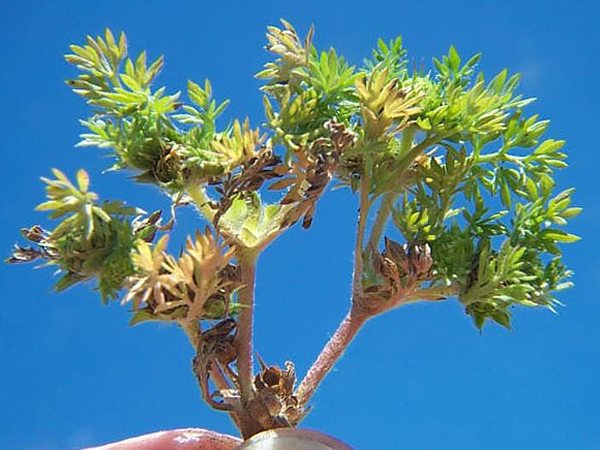
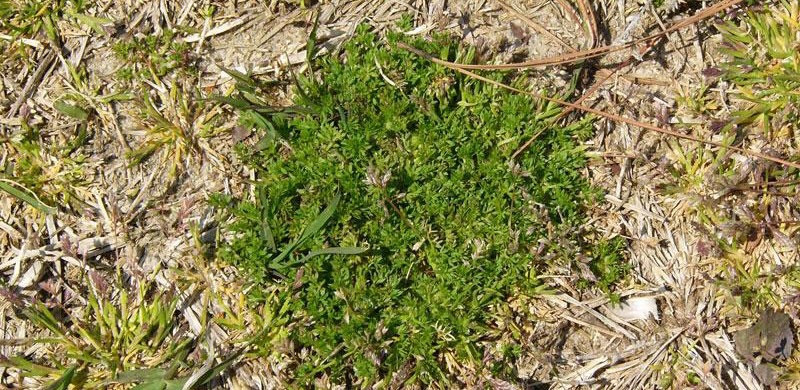
Lawn Burweed:
Lawn Burweed is a winter annual weed that germinates in the fall, and begins to grow rapidly during the spring season. This means that our fall pre-emergent treatments are the best option for keeping these weeds out of your lawn. Lawn burweed produces sharp and painful stickers during the spring and summer that can harm your children or your pets while they play in your lawn. Here are some of the most important key identifiers of lawn burweed:
- Foliage that appears to be a lighter green than the surrounding turf
- Hairy and spiky foliage that is deeply divided into narrow segments
- Foliage that resembles parsley
- Low to the ground and spreading growth habit
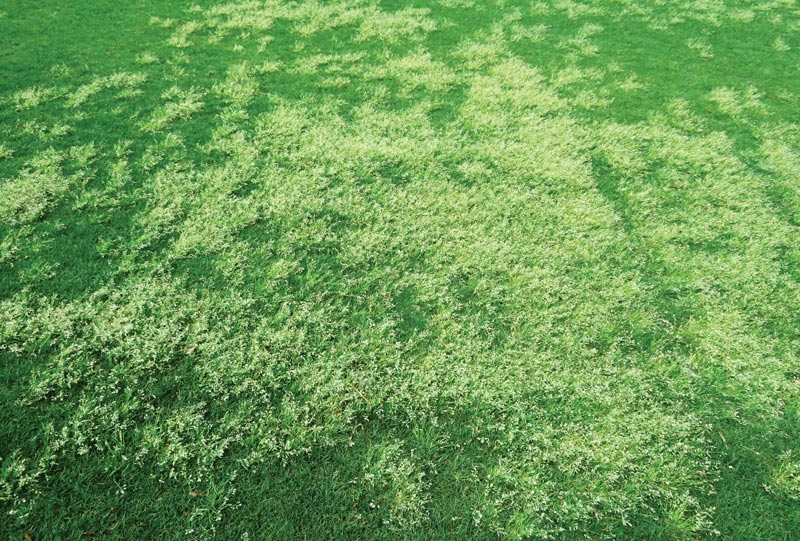
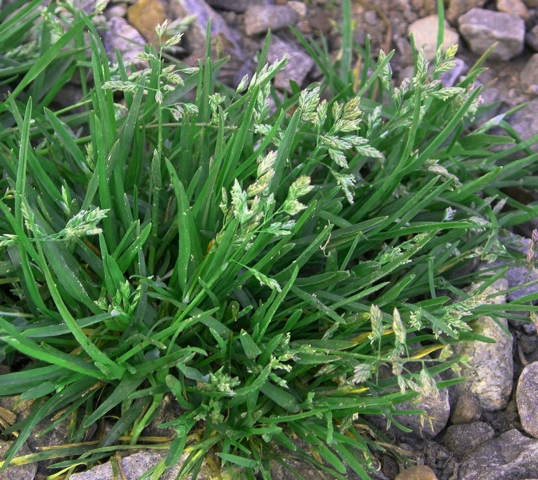
Poa Annua:
Poa Annua (or annual bluegrass) is a cool-season annual weed that germinates in the late summer or fall. This is one of the weeds that we like to treat the most aggressively during our fall pre-emergent weed treatments. Although it is true that poa annua does in fact die out when temperatures begin to rise in the spring and summer months, this weed can still do significant damage during the fall, winter, and early spring by choking out the turf of your lawn and leaving behind patches of dead grass as it comes out of dormancy. Poa annua weeds are the perfect example for why fall pre-emergent treatments are just as necessary as spring pre-emergent treatments. Here are some of the most important key identifiers of poa annua:
- Foliage that appears to be a lighter green than the surrounding turf
- Seed heads stick straight outward, with wide gaps in between
- Boat-shaped leaf tips
- Clump-forming growth habit
If you want to learn more about the types of weeds that may be growing in your South Carolina lawn, visit our Facebook page to join us in our next game of “Guess That Weed”