Checking Moisture Levels in Your Garden This Fall
It is important to consistently monitor the moisture levels in your soil. By doing so ensures that your plants are receiving the proper amount of water. There are many different diseases and health risks that your plant can suffer from due to overwatering or underwatering. Checking the moisture levels of your soil regularly and monitoring them consistently helps reduce the risk of losing any plants to the symptoms of improper watering.
Fall is a great time to be checking the moisture levels of your soil! Temperatures are cooler and consistent rainfall create the most ideal conditions for taking samples of the soil. This results in more accurate testing. Testing your soil in the fall also gives enough time to properly prepare and amend that soil as needed before the spring growing season hits.
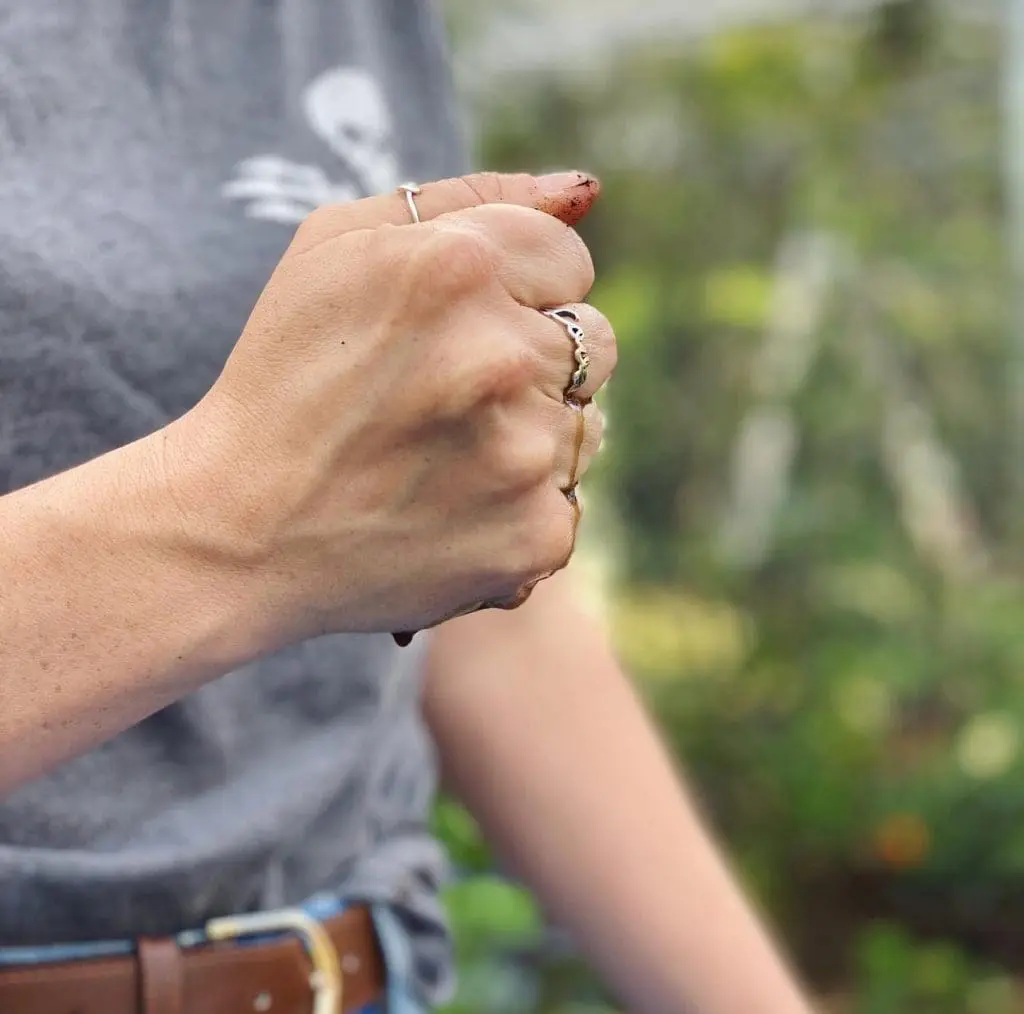
Over-watered
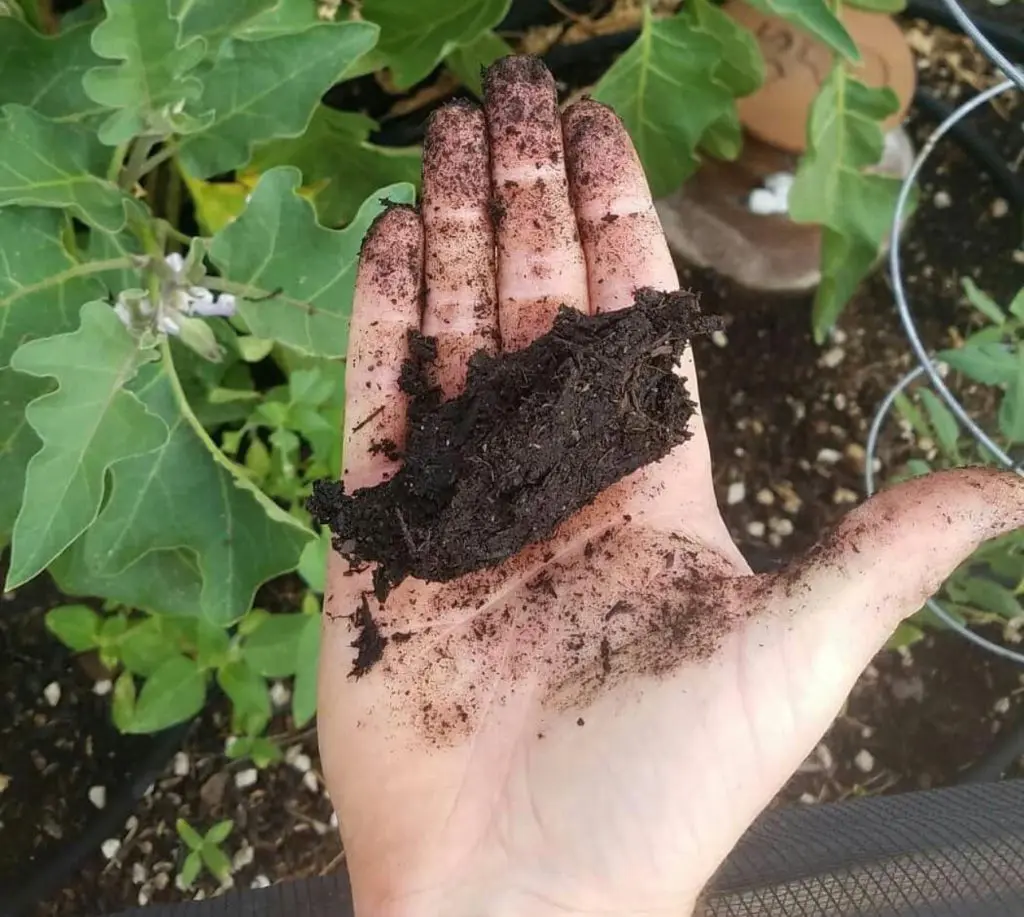
Properly watered
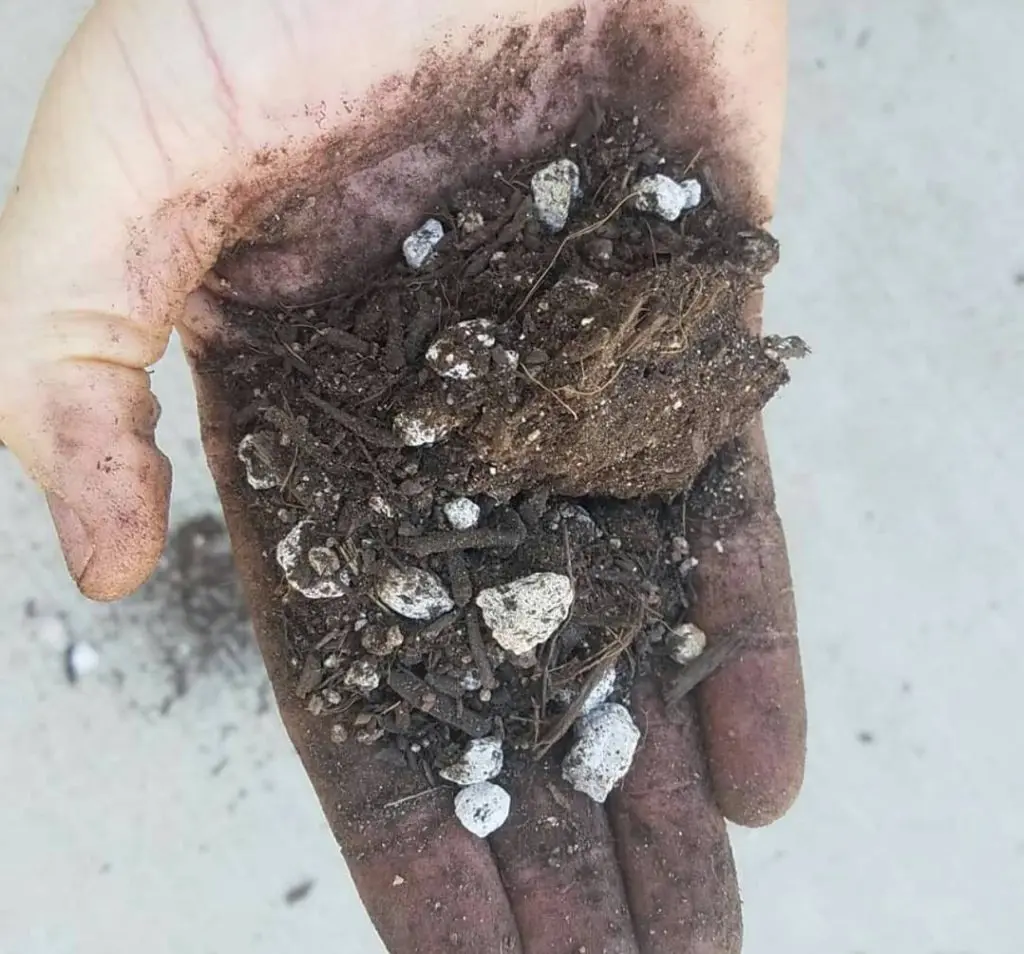
Under-watered
How To Test
When testing the moisture levels of your soil, it is most important to ensure that you are taking samples of the soil that come from the root system, not the surface of the soil. Use any available garden or household tool to carefully dig a small tunnel to the root system of the plant. Grab a hand full of that soil, and squeeze it in your hands. If water begins to drip out of the soil when you squeeze it, that means that the soil is receiving too much water. When you release your grip on the soil and it is not able to hold its shape and begins to crumble and fall out of your hand, that means your plant is not receiving enough moisture. If you release your grip on the soil and it is able to hold its shape, that means your plant is receiving the proper amount of moisture.
Monitor your moisture levels by conducting this test regularly. Amend your watering schedule as needed until your plant is receiving the proper amount of water.