Summertime Pest Treatment Series: Japanese Beetles
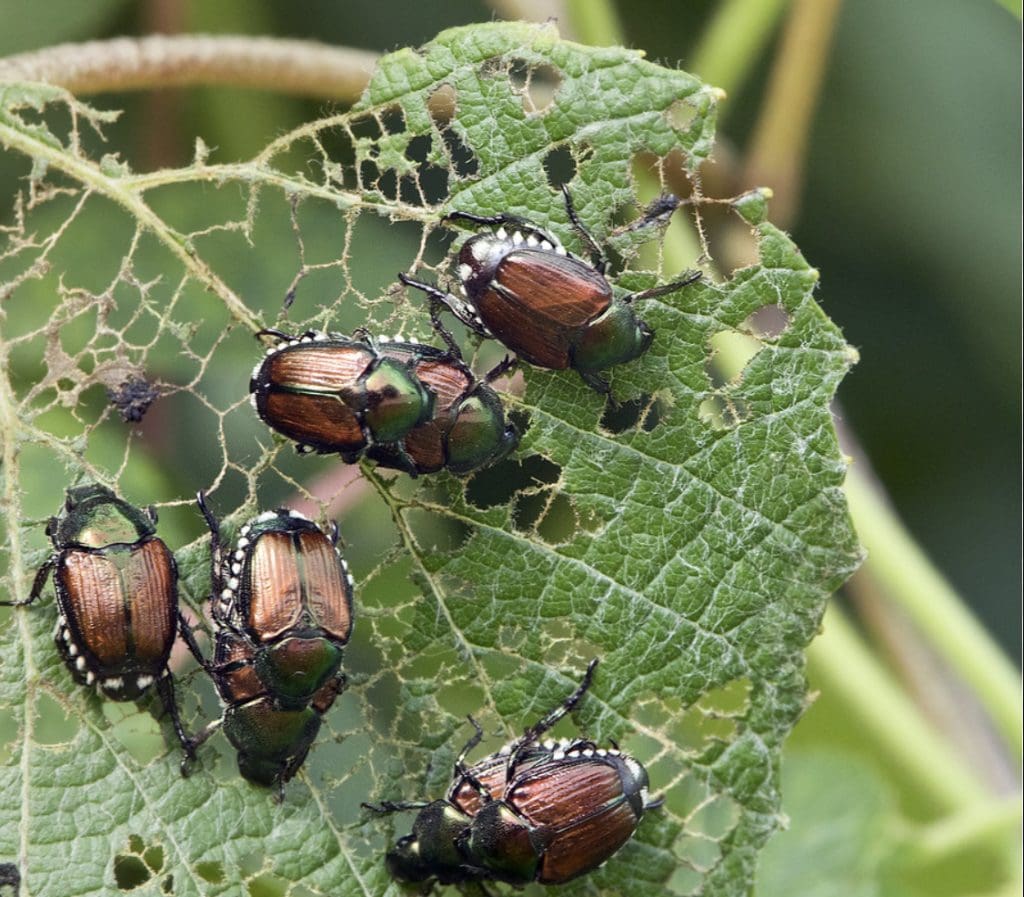
Japanese beetles feed on a wide variety of plants! Some of their favorites include fruit trees, vegetable gardens, and flowering shrubs and perennials (such as roses, hydrangeas, milkweed, etc.). However, the truth is that no leaf is entirely safe from japanese beetles during peak summer months.
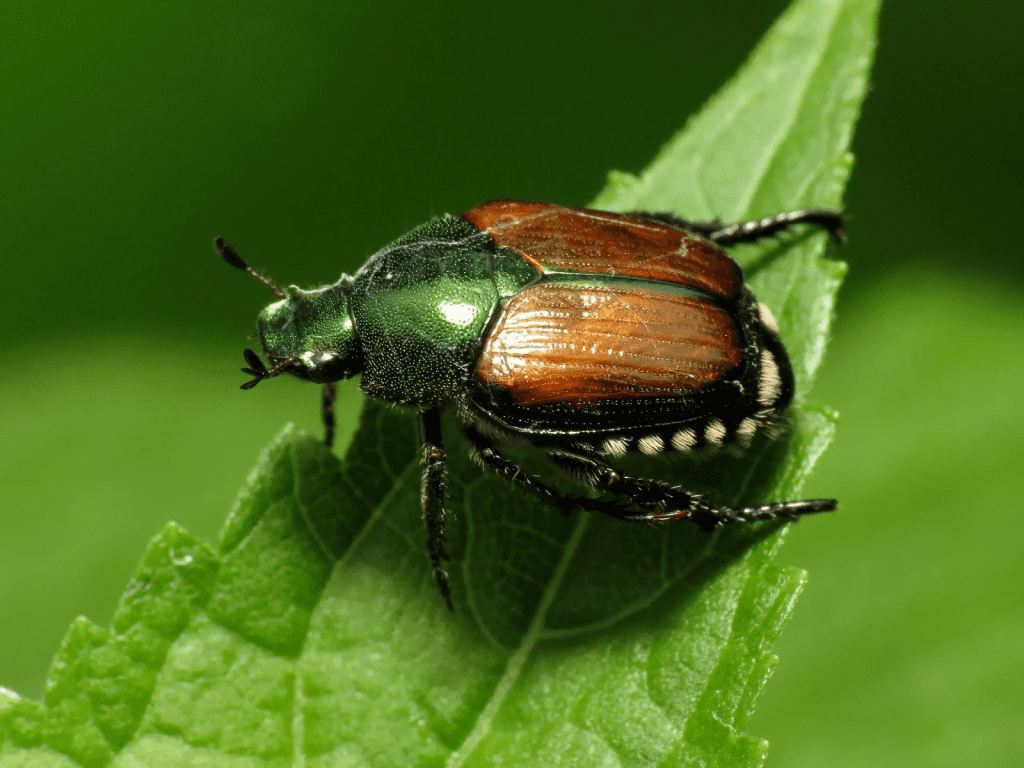
You can identify a japanese beetle infestation by being familiar with the appearance of a japanese beetle, as well as the appearance of the damage that they leave behind.
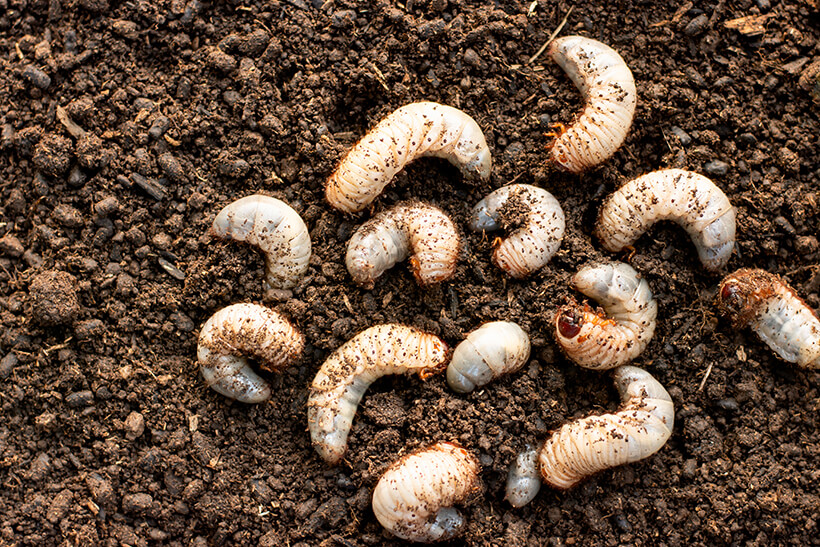
Japanese beetles are small, oval shaped beetles with a metallic green body and bronze wing covers. They are most active during hot summer days, and they are most commonly found in sizeable clusters. Japanese beetles are also known to lay eggs underneath the turf survice, where they hatch into gurbs and feed off of turf roots until they mature into fully grown japanese beetles. These grubs are small white/yellow worms with a curved shape, and they are unlikely to be seen unless the turf is disturbed to reveal what is under the surface.
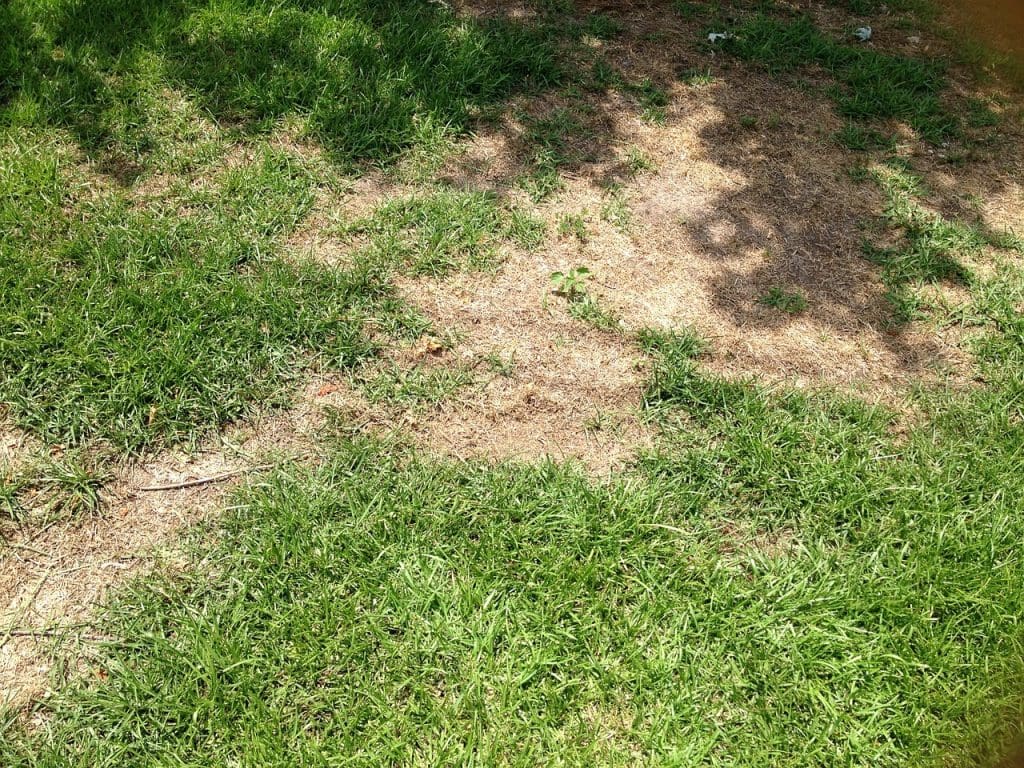
Japanese beetles feed off of every part of the leaf except for the veins, leaving behind what looks like the skeletal remains of the leaf. This type of damage can destroy an entire plant in a matter of days. As larvae, they feed on turf roots, leaving behind patches of dead grass.
How To Treat Japanese Beetles
There are several options when it comes to treating a japanese beetle infestation. There are effective japanese beetle traps available for purchas online on websites such as Amazon. Another effective method is to shake the japanese beetle off of the plant they are infecting during the day when they are most active. You can do they by spraying soapy water onto the japanese beetles, and then shaking them off of the plant and into a bowl of soapy water. For more sever infestations, chemical treatment may be necessary. It is important to use a pesticide that is specifically listed as a japanese beetle infestation fighter. A good brand to try is Garden Tech’s Sevin Incect Killer Consentrate. The best way to apply this kind of pesticide is with a pump sprayer. Make sure you read the instructions on the bottle of the pesticide to ensure the proper amount of product is used for your specific needs and conditions.