What’s Blooming For June
Plants and Flowers Blooming For June:
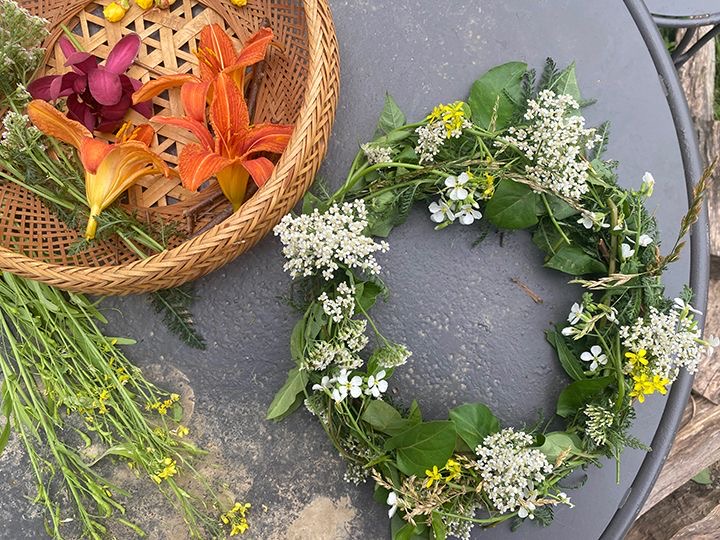
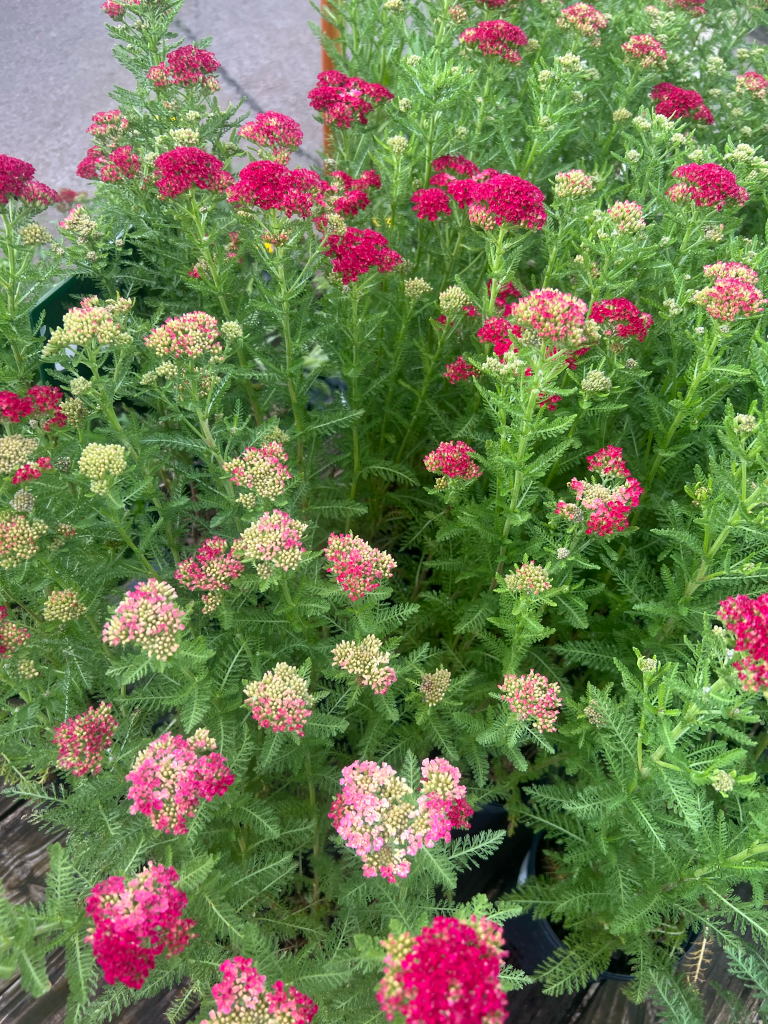
- Yarrow
- Canna lily
- Geraniums
- Trumpet honeysuckle
- French rose
Fruits and vegetables in season:
- Peaches
- Corn
- Blackberries
- Watermelon
- Green beans
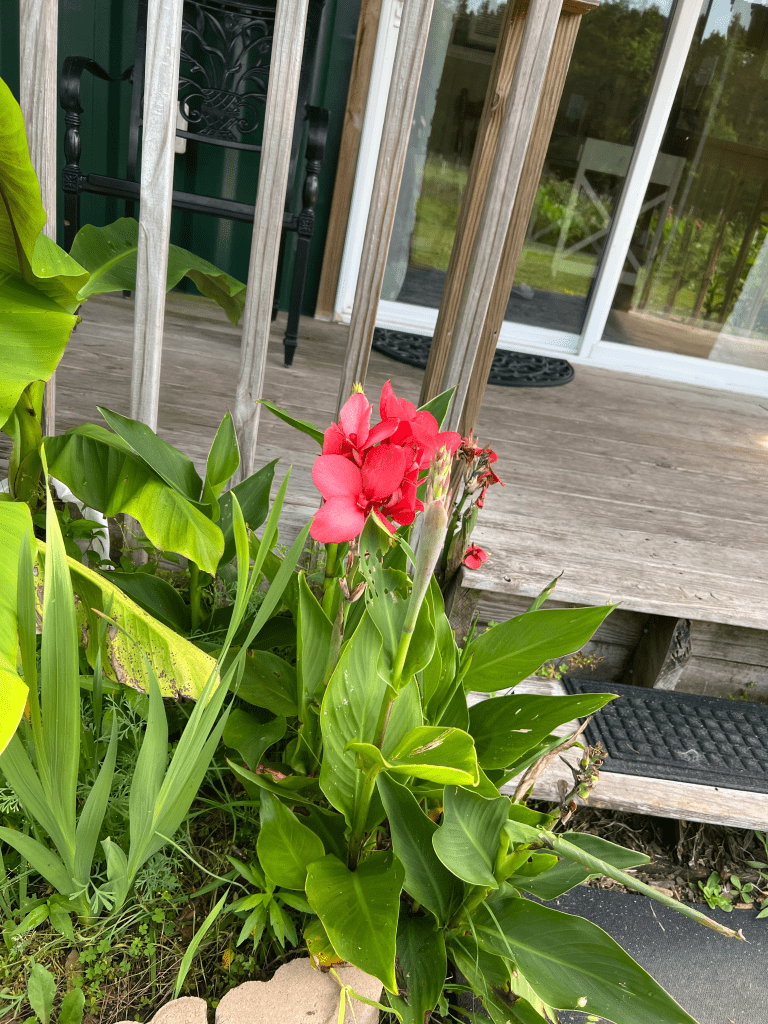
Canna Lily
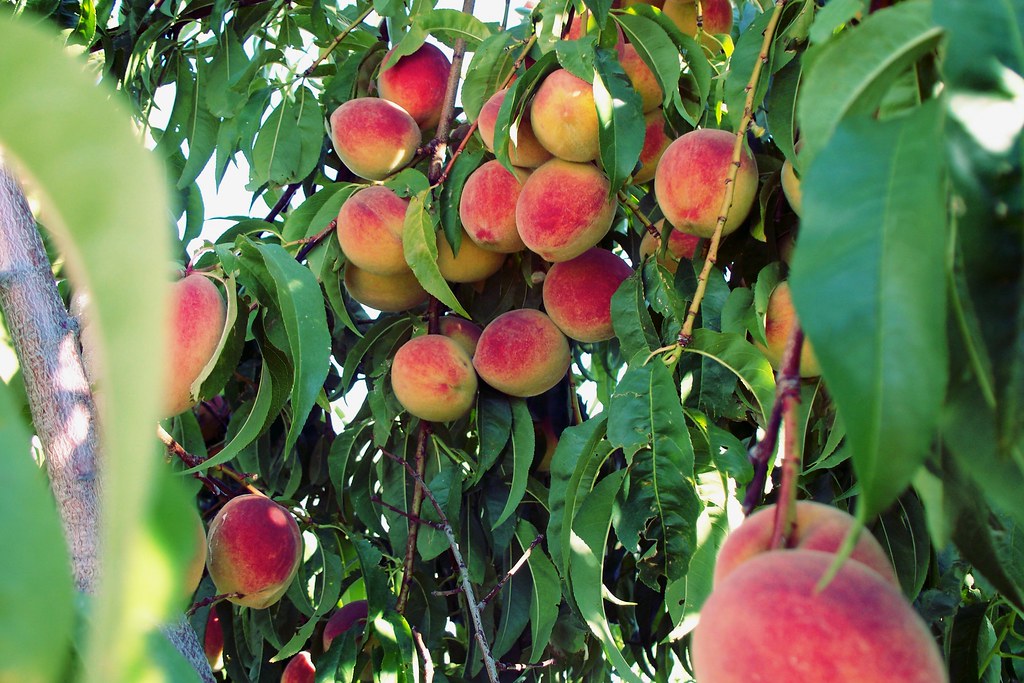
Peaches
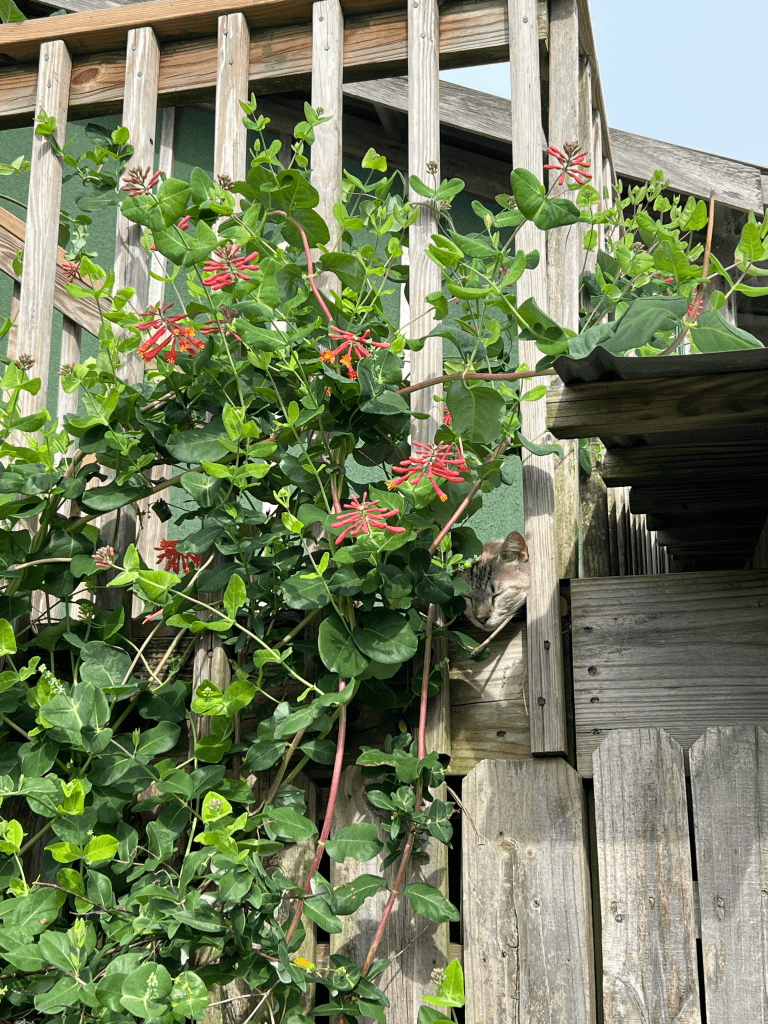
Trumpet Honeysuckle
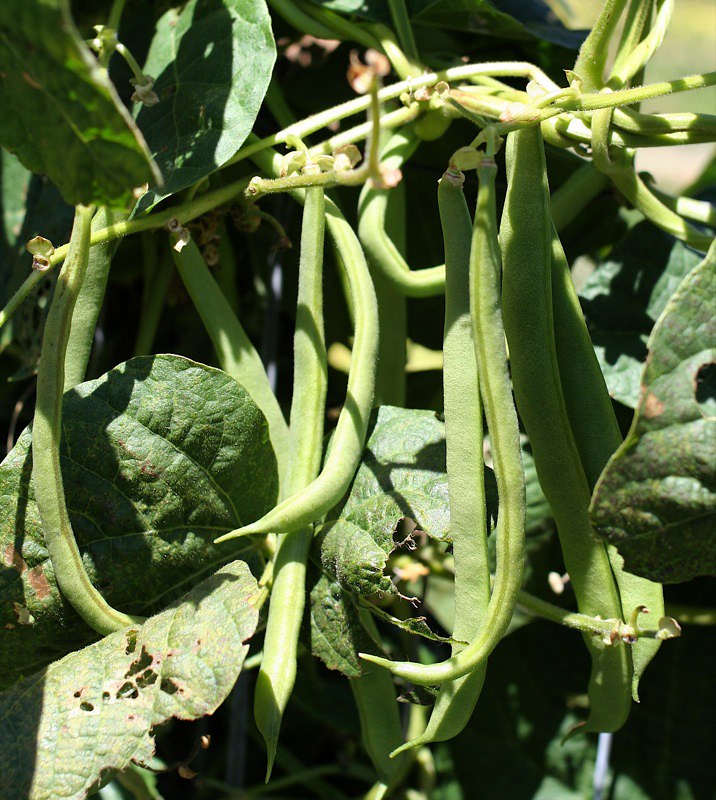
Green Beans
Maintenance Tips For June
Fertilizing needs this month:
The heat of the summer is coming up quickly! While it can be beneficial to do some fertilizing to your actively growing trees, shrubs, vegetables, and warm season grasses, it is important to take the heat of the season in mind when fertilizing your outdoor space!
Here are some tips on how to avoid causing heat stress to your plants if you are planning to be fertilizing this June:
- Make sure your soil is moist before fertilizing and always water after fertilizing!
- Avoid fertilizing during the peak temperatures of the day. The early morning or late evening are the most ideal times to fertilize to avoid heat stress.
- Consider using slow release fertilizers to provide a steady amount of nutrients over time to avoid potential overfertilization.
- Always conduct a soil test before fertilizing to ensure that you are providing the proper nutrients and the proper amount of those nutrients.
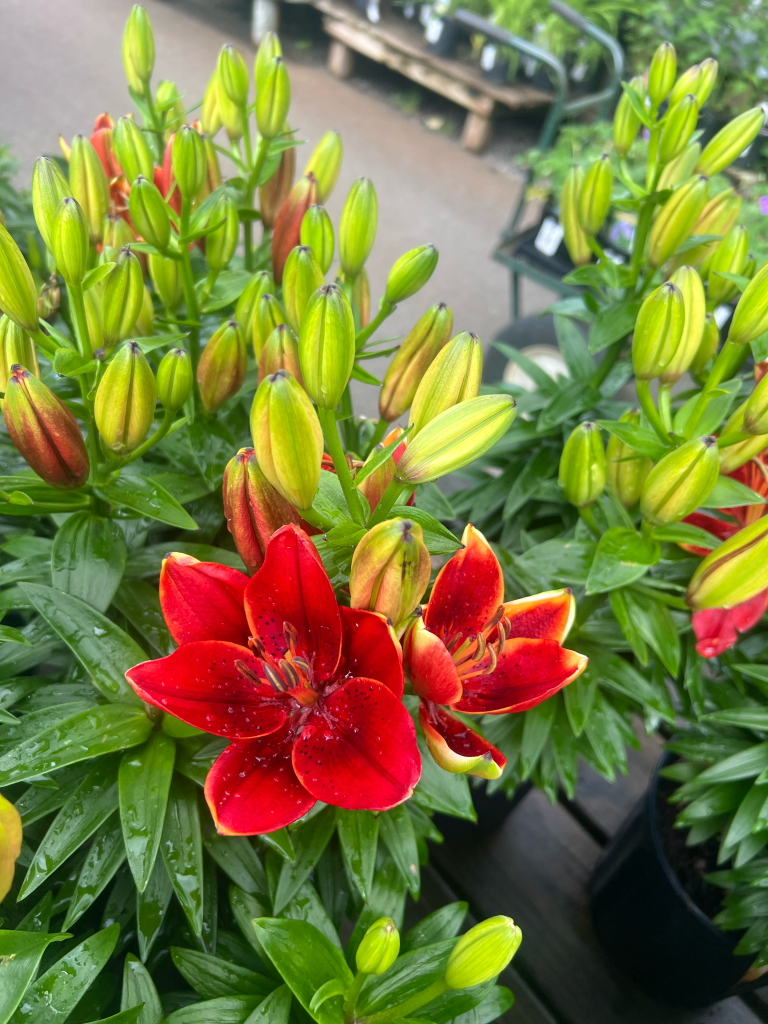
Pruning needs this month:
June is a month of abundance for flower gardeners! Deadheading and pruning are going to be a very important gardening chore this month for all your summer flowering trees, shrubs, and flowers. Keep in mind that plants that bloom before June 1st are considered to be spring blooming plants, which benefit most from pruning after they bloom. Plants that bloom after June 1st are considered summer blooming plants and should be pruned prior to new growth emerging in the early spring, making them ready to produce an abundance of beautiful flowers this summer.
It is also a good idea to cut back those spring blooming perennials when they are finished blooming to encourage new growth for next season. Pruning hedges is another beneficial chore to add to your June gardening list, as hedges tend to grow back less vigorously in the summer months.
Pests and diseases to look out for this month:
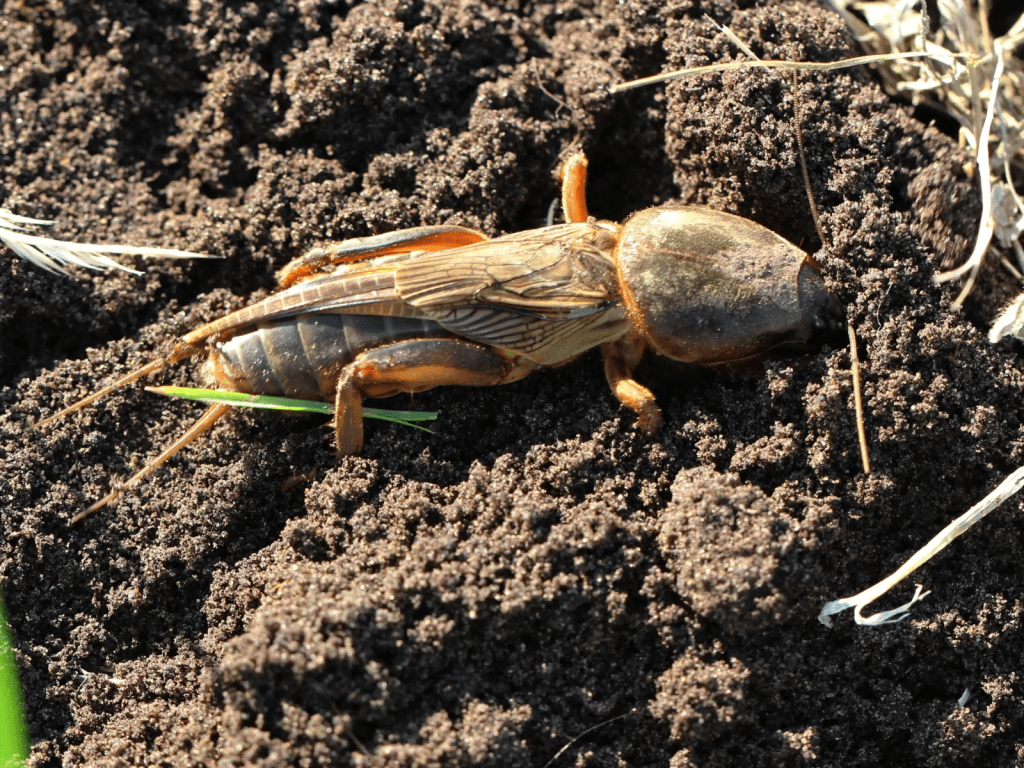
Mole crickets:
If you are noticing irregular brown patches in your lawn with small mounds of dirt on the surface, your lawn may be suffering from a mole cricket infestation. If you suspect that you may have mole crickets, a good way to be sure is to conduct a soap test on the infected areas of the lawn. You can do this by applying any common household soapy solution to a small area of infected turf. If mole crickets are present they will begin to emerge from the surface. If you have positively identified a mole cricket infestation in your lawn, it is important to treat the area with a mole cricket specific insecticide immediately before the infestation causes the damage of your lawn to spread as the mole crickets lay eggs throughout the summer.
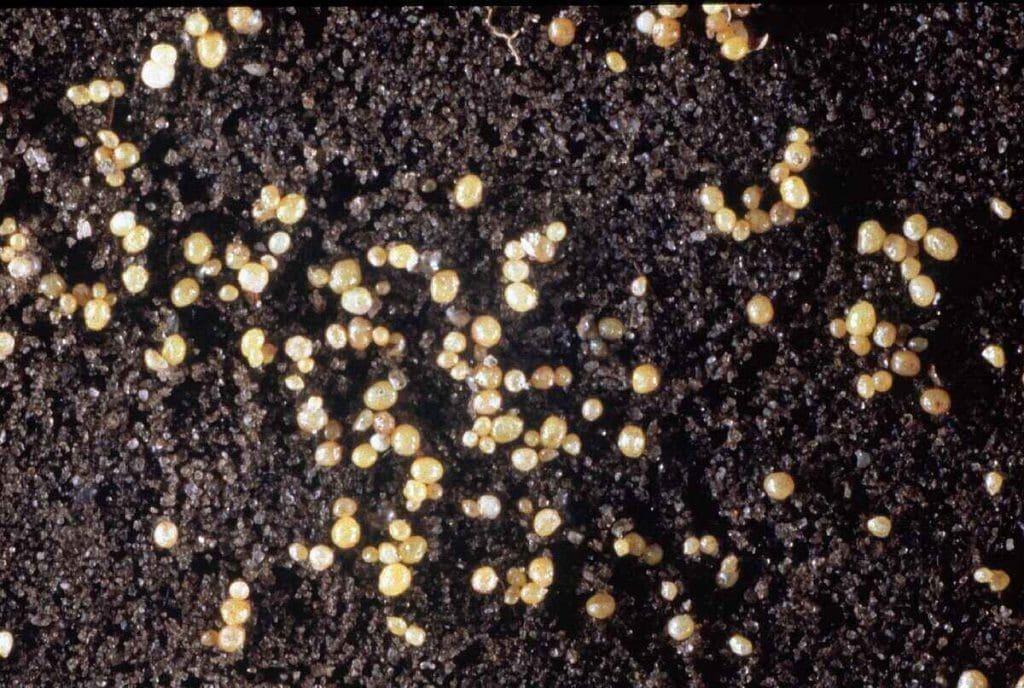
Ground pearls:
If you are noticing irregular patches of grass in your lawn that seem to be thinning out and turning yellow or brown in color, your lawn may be suffering from a ground pearl infestation. The best way to avoid ground pearl damage to your lawn is to keep it maintained and healthy throughout the year to make it more resistant to ground pearl infestation. There is currently a lack of ground pearl specific insecticides on the market in the world of outdoor space maintenance, making initial prevention the key to keeping these pests from damaging your lawn.
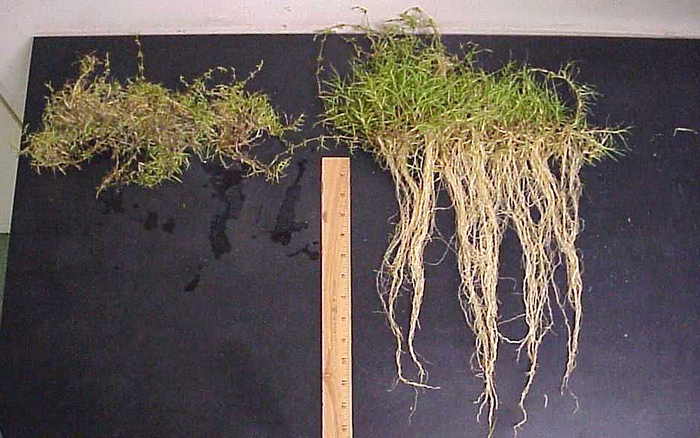
Nematodes:
If you are noticing grass roots in your lawn that are short, stunted, or appear to be tangled or irregularly swollen, your lawn may be suffering from a nematode infestation. Insecticides containing carbaryl or trichlorfon can be used to control grubs, which serve as the main food source for lawn nematodes.
Additional monthly tip for June:
With temperatures rising rapidly as the summer season approaches, it is important to maintain a consistent watering schedule for your outdoor space! Rather than focusing on how frequently you are watering, focus on how deeply you are watering. Making sure the water reaches deep into the soil will help encourage root growth much more effectively than more frequent yet shallow watering sessions. It is also a good idea to avoid watering during the peak temperatures of the day. Water your outdoor space in the early morning or in the evening to allow the soil to fully absorb the water rather than allowing the summer heat to evaporate the water in the soil at peak daily temperatures.
Upcoming events:
The summer solstice is upon us! June 21st marks the longest day of the year, a pivotal moment in a gardeners calendar. Beginning June 21st, your outdoor space will be receiving more sunlight than it does in the spring months. This extra heat from the sun encourages seeds to germinate and increase growth. Celebrate the summer solstice this year by enjoying the long daylight hours in your garden harvesting, planting, and planning your summer garden!